
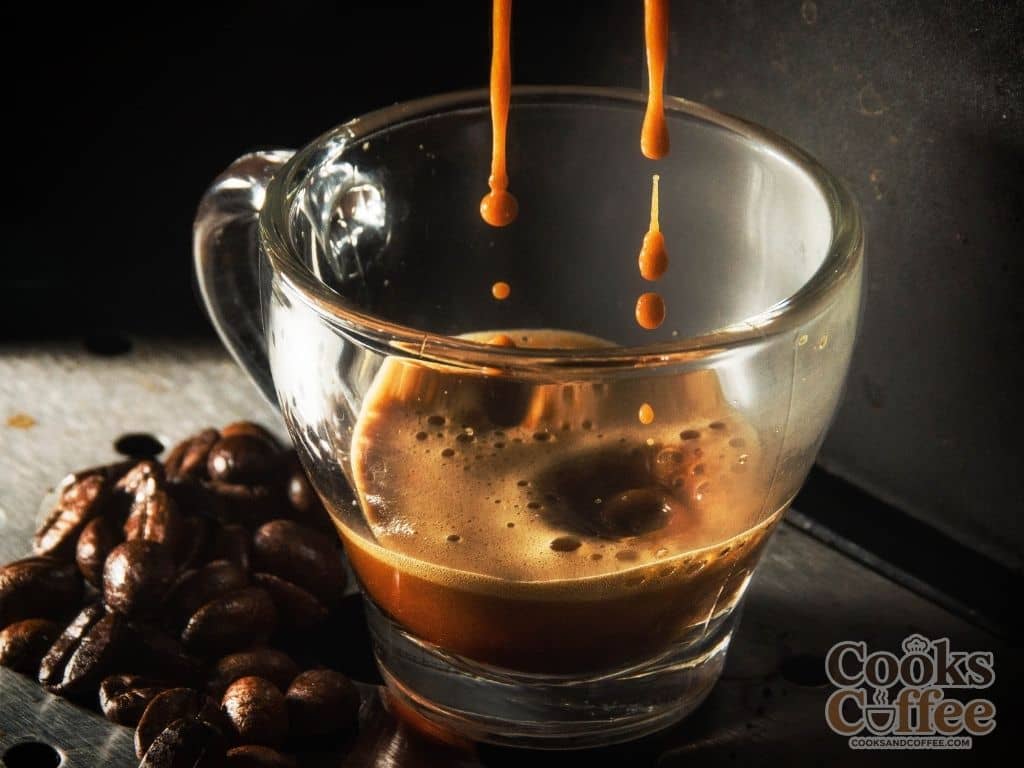
Turn Watery Espresso Into a Creamy Dream Shot
Ugh. There it is again—that sad, pale liquid pretending to be espresso. You followed all the steps, but instead of that rich, syrupy goodness you paid your mortgage to achieve (espresso machines aren’t cheap!), you get something resembling dark dishwater. Sound familiar?
I’ve been there too. In my early days, I created more watery espressos than a decaf tea bag. But after years of experimentation, embarrassing barista moments, and enough caffeine to power a small village, I’ve cracked the code. Let’s turn those pathetic puddles into glorious god-shots together.
Your Grind Size Is Probably Laughing At You
Let’s start with the number one culprit: your grind size. Imagine trying to make sugar syrup through a colander—that’s essentially what happens when your grind is too coarse. Water speeds through those chunky particles like it’s late for a meeting, grabbing nothing but the most superficial flavors along the way .
Here’s the fix:
- Adjust finer, but do it slowly: Turn your grinder setting one click toward fine. Pull another shot. Still watery? Another click. This isn’t a race; it’s a delicate dance. And FYI, always adjust while your grinder is running to prevent jamming .
- Find that sweet spot: You’re aiming for a texture between table salt and powdered sugar . If your espresso starts taking over 30 seconds to pour and looks like molasses, you’ve gone too far. Back it off!
Ever wondered why café espresso tastes better? Their $3,000 grinders create incredibly consistent particles. But IMO, you can get 90% there with a good home grinder and patience.
You’re Not Using Enough Coffee (Or Using Too Much Water)
This seems obvious, but it’s where most beginners stumble. The dose matters. Think of your portafilter as a hotel elevator—there’s a maximum capacity before things get awkward.
- Up your dose: If you’re using 18g, try 19g. I know, it sounds trivial, but that extra gram creates more resistance, slowing the water and increasing extraction . Use a scale! Eyeballing is for celebrities making smoothies.
- Control your output: The brew ratio is magic. Aim for 1:2 ratio (e.g., 18g in, 36g out) in 25-30 seconds as a starting point . If you’re getting 50g out in 15 seconds, no wonder it’s watery! Shorten the shot or increase the dose.
Pro tip: VST and other precision baskets are less forgiving than your average basket. They often need exactly the dose they’re designed for (+/- 0.5g) to work properly .
Your Tamping Technique Needs Work
Confession time: I used to tamp like I was squashing a bug. Then I learned finesse beats force every time. Uneven or light tamping creates channels where water bypasses the coffee, giving you a weak, watery mess .
Here’s how to tamp like you mean it:
- Pressure is key: Aim for 30 pounds of pressure—roughly the weight of a full-size poodle sitting on your portafilter . Consistency matters more than Hulk-like strength.
- Keep it level: An uneven tamp creates easy escape routes for water. Your wrist should be straight, applying pressure straight down. Twist slightly at the end to polish the puck.
- Check your tools: That plastic tamper that came with your machine? It’s probably terrible. A proper metal tamper that fits your basket makes a world of difference.
Rhetorical question: Would you trust a builder who used a toy hammer? Didn’t think so. Don’t trust your espresso to a toy tamper.
Your Beans Are Older Than Your Last Netflix Binge
Stale beans make sad espresso. It’s that simple. Coffee beans release CO2 after roasting—that gas is crucial for creating crema and proper extraction. Old beans have mostly degassed, so water just washes through them without resistance .
- Check the roast date: Never use beans roasted more than 30 days ago . Ideal? 5-14 days post-roast for that sweet spot of freshness .
- Storage matters: Keep beans in an airtight container away from light and heat. The fridge? No. It’s a moist, smelly environment that kills flavor faster than a bad breakup.
- Grind right before brewing: Pre-ground coffee loses its mojo fast. I know it’s tempting, but don’t do it. Grinding fresh is non-negotiable for good espresso.
Personal story: I once used “emergency” gas station beans. The resulting espresso was so watery and pathetic it made me question all my life choices. Learn from my failure.
Your Machine Might Be Misbehaving
Sometimes, the issue isn’t you—it’s your machine. Even the fanciest espresso makers need love and attention.
- Temperature troubles: If your water isn’t hot enough (195-205°F is ideal ), it can’t extract properly. Result? Weak, sour, watery espresso. Some machines let you adjust temperature; others might need descaling to heat efficiently .
- Pressure problems: Low pressure means weak extraction. If your machine has a pressure gauge, check it’s hitting 9 bars during extraction. No gauge? Listen for a consistent, powerful flow, not a weak sputter.
- Cleanliness is next to godliness: A dirty machine is a terrible performer. Clean your brew group weekly . Backflush regularly. Old coffee oils clog everything up, affecting water flow and taste. It’s like trying to drink through a straw with lunch bits stuck in it—:/.
Maintenance isn’t sexy, but it’s essential. Set a phone reminder to clean your machine. Your taste buds will thank you.
Conclusion
So there you have it—the five biggest reasons your espresso might be watery, and exactly how to fix each one. To recap: grind finer, dose correctly, tamp evenly, use fresh beans, and maintain your machine.
The perfect shot is a balance of all these elements. When one is off, the whole thing suffers. But here’s the secret: even pros constantly adjust and experiment. Your beans today might need a slightly finer grind than last week’s. Humidity might require a bigger dose. Espresso is a dance, not a destination.
From Watery to Wonderful
Don’t get discouraged! My first good espresso took weeks of terrible shots. But when I finally pulled that rich, crema-topped masterpiece? I did a victory lap around my kitchen. You’ll get there too.
Now go forth and conquer that machine. And if you still have trouble? Well, there’s always milk—can’t go wrong with a latte 😉.