
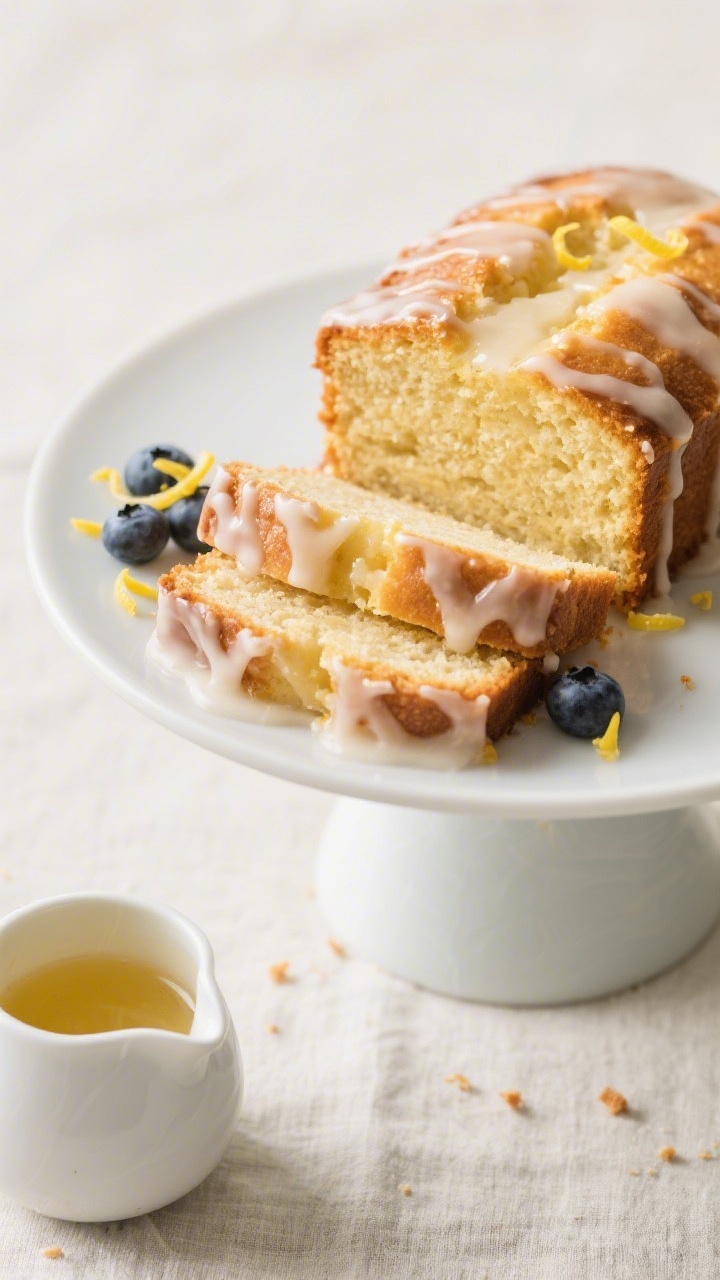
Sourdough isn’t just for bread. In this Southern-style pound cake, a little sourdough starter adds gentle tang, extra moisture, and a soft, velvety crumb. It tastes like the cakes your grandmother might have made—simple, rich, and deeply comforting.
The flavor is buttery with a hint of vanilla and lemon, and the texture holds up beautifully to slicing. Whether you’re using up extra starter or looking for a fresh twist on a classic, this cake delivers every time.
Why This Recipe Works

This pound cake leans on classic Southern technique—plenty of butter, sugar, and eggs—so you get a dense yet tender crumb with a fine, even texture. The sourdough starter brings a subtle tang that balances the sweetness and helps keep the cake moist for days.
A touch of buttermilk supports the acidity, which reacts with leavening to lift the batter without making it airy like a sponge cake. The result is a slice that’s rich, sturdy, and never dry. It’s perfect as-is, but it also plays well with fresh berries, whipped cream, or a simple glaze.
What You’ll Need
- Unsalted butter (1 cup/226 g), softened to room temperature
- Granulated sugar (2 cups/400 g)
- Large eggs (5), at room temperature
- Sourdough starter (1 cup/240 g), 100% hydration, unfed “discard” or active
- All-purpose flour (2 1/2 cups/300 g), spooned and leveled
- Baking powder (1 1/2 teaspoons)
- Kosher salt (1/2 teaspoon)
- Buttermilk (1/2 cup/120 ml), room temperature
- Pure vanilla extract (2 teaspoons)
- Fresh lemon zest (from 1 lemon) and lemon juice (1 tablespoon), optional but recommended
- For the pan: softened butter and flour or baking spray with flour
- Optional glaze: powdered sugar (1 cup/120 g) and lemon juice or milk (2–3 tablespoons)
Step-by-Step Instructions

- Prep the pan and oven. Heat the oven to 325°F (165°C).
Generously grease and flour a 10-inch bundt pan or two 8×4-inch loaf pans, tapping out excess flour. A well-prepped pan prevents sticking and ensures clean release.
- Cream the butter and sugar. In a stand mixer with the paddle attachment (or with a hand mixer), beat the softened butter and sugar on medium speed for 4–5 minutes until pale and fluffy. Proper creaming builds structure and traps air for a fine crumb.
- Add the eggs one at a time. Beat in the eggs, one by one, scraping the bowl after each addition.
Mix just until incorporated. Overmixing here can toughen the crumb.
- Stir in flavorings. Mix in the vanilla, lemon zest, and lemon juice (if using). These brighten the buttery richness without overpowering it.
- Combine dry ingredients. In a separate bowl, whisk together the flour, baking powder, and salt.
Keep it airy and evenly blended.
- Add the sourdough and buttermilk. Stir the sourdough starter to loosen it. With the mixer on low, add the dry ingredients in three additions, alternating with the buttermilk (start and end with dry). Mix until just combined; a few small streaks are fine.
- Final fold. Use a spatula to gently fold the batter, scraping the bottom and sides to catch any pockets of flour or butter.
The batter should be thick, smooth, and silky.
- Fill the pan. Spoon the batter into the prepared pan, smoothing the top. Tap the pan on the counter once or twice to settle the batter and release bubbles.
- Bake. Bake for 60–75 minutes for a bundt (50–60 minutes for loaves), until a skewer comes out with a few moist crumbs and the top springs back lightly. If browning too quickly, tent with foil for the last 15 minutes.
- Cool and release. Cool in the pan on a rack for 15 minutes.
Turn out onto the rack and cool completely before slicing. Pound cake improves in texture as it rests.
- Optional glaze. Whisk powdered sugar with lemon juice or milk to a pourable consistency. Drizzle over the cooled cake and let set before serving.
Storage Instructions
- Room temperature: Wrap tightly or store in an airtight container for up to 4 days.
Flavor often peaks on day 2.
- Refrigerator: Store well-wrapped for up to 1 week. Bring to room temperature before serving for best texture.
- Freezer: Wrap individual slices in plastic, then foil, and freeze for up to 3 months. Thaw at room temperature or warm gently in a low oven.
- Glaze note: If using a glaze, let it set fully before wrapping to avoid sticking.
Benefits of This Recipe
- Uses up discard. A smart, delicious way to put extra starter to work.
- Better texture. Sourdough’s acidity tenderizes the crumb and keeps it moist.
- Balanced sweetness. The subtle tang keeps the cake from tasting cloying.
- Make-ahead friendly. The flavor deepens after a rest, making it ideal for gatherings.
- Versatile. Easy to dress up with berries, glazes, or a dusting of sugar.
Common Mistakes to Avoid
- Cold ingredients. Cold butter and eggs won’t cream properly.
Room temperature is key for a fine crumb.
- Overmixing. Once the flour goes in, mix just until combined to avoid a tough cake.
- Skipping pan prep. Bundt pans can be tricky. Grease and flour thoroughly, including crevices.
- Underbaking or overbaking. Check early and use visual cues plus a skewer. Aim for moist crumbs, not wet batter.
- Cutting too soon. Let the cake cool fully to set the crumb.
Warm slices tend to crumble.
Recipe Variations
- Citrus Twist: Swap vanilla for 1 teaspoon orange extract and use orange zest. Finish with a light orange glaze.
- Almond Pound Cake: Add 1 teaspoon almond extract and fold in 1/2 cup toasted sliced almonds.
- Brown Butter Version: Brown the butter, cool until just solid, then cream with sugar. Expect a deeper, nutty flavor.
- Marble Sourdough Pound Cake: Mix 2 tablespoons cocoa with 2 tablespoons buttermilk.
Swirl into one-third of the batter before baking.
- Blueberry Lemon: Toss 1 cup fresh blueberries with 1 tablespoon flour and fold in gently. Add extra lemon zest for brightness.
- Gluten-Friendly Note: You can use a 1:1 gluten-free flour blend designed for baking. Texture will differ slightly but still be tender.
FAQ
Can I use active sourdough starter instead of discard?
Yes.
Both work well. Active starter may add slightly more lift and a touch more tang, but the overall texture and flavor remain classic and rich.
What if I don’t have buttermilk?
Use whole milk mixed with 1 teaspoon white vinegar or lemon juice and let it sit for 5 minutes. You can also use sour cream or plain yogurt thinned with a splash of milk.
Why bake at 325°F instead of 350°F?
Lower heat allows this dense batter to bake evenly from edge to center.
It reduces doming and helps prevent a dry crust with an underdone middle.
How do I know when the cake is done?
Look for a golden top that springs back when lightly pressed. A skewer inserted into the center should come out with a few moist crumbs, not wet batter. Start checking 10 minutes before the earliest time listed.
Can I make this in a loaf pan?
Absolutely.
Divide the batter between two 8×4-inch loaf pans. Baking time is usually 50–60 minutes, but watch closely for doneness cues.
Does the cake taste sour?
No. The starter adds a gentle tang that balances the sweetness but doesn’t make the cake taste like sourdough bread.
It still tastes like a classic pound cake.
How can I prevent sticking in a bundt pan?
Use a thick layer of softened butter and flour every nook, or spray with baking spray that includes flour. After baking, cool 15 minutes, then gently loosen edges before inverting.
Can I reduce the sugar?
You can reduce by about 1/4 cup without affecting structure too much, but sugar helps with moisture, browning, and tenderness. Bigger cuts may lead to a drier cake.
What’s the best way to slice cleanly?
Let the cake cool completely.
Use a long, sharp serrated knife and a gentle sawing motion. Wipe the blade between cuts for tidy slices.
In Conclusion
Southern Sourdough Pound Cake brings together the best of tradition and technique: buttery flavor, a lush crumb, and a light tang that keeps you coming back for another slice. It’s easy enough for a weekday bake and special enough for company.
Keep it plain, add a simple glaze, or pair with fresh berries—no matter how you serve it, this cake earns a spot in your regular rotation.

Southern Sourdough Pound Cake – Tender, Tangy, and Perfectly Classic
Ingredients
- Unsalted butter (1 cup/226 g), softened to room temperature
- Granulated sugar (2 cups/400 g)
- Large eggs (5), at room temperature
- Sourdough starter (1 cup/240 g), 100% hydration, unfed “discard” or active
- All-purpose flour (2 1/2 cups/300 g), spooned and leveled
- Baking powder (1 1/2 teaspoons)
- Kosher salt (1/2 teaspoon)
- Buttermilk (1/2 cup/120 ml), room temperature
- Pure vanilla extract (2 teaspoons)
- Fresh lemon zest (from 1 lemon) and lemon juice (1 tablespoon), optional but recommended
- For the pan: softened butter and flour or baking spray with flour
- Optional glaze: powdered sugar (1 cup/120 g) and lemon juice or milk (2–3 tablespoons)
Instructions
- Prep the pan and oven. Heat the oven to 325°F (165°C). Generously grease and flour a 10-inch bundt pan or two 8×4-inch loaf pans, tapping out excess flour. A well-prepped pan prevents sticking and ensures clean release.
- Cream the butter and sugar. In a stand mixer with the paddle attachment (or with a hand mixer), beat the softened butter and sugar on medium speed for 4–5 minutes until pale and fluffy. Proper creaming builds structure and traps air for a fine crumb.
- Add the eggs one at a time. Beat in the eggs, one by one, scraping the bowl after each addition. Mix just until incorporated. Overmixing here can toughen the crumb.
- Stir in flavorings. Mix in the vanilla, lemon zest, and lemon juice (if using). These brighten the buttery richness without overpowering it.
- Combine dry ingredients. In a separate bowl, whisk together the flour, baking powder, and salt. Keep it airy and evenly blended.
- Add the sourdough and buttermilk. Stir the sourdough starter to loosen it. With the mixer on low, add the dry ingredients in three additions, alternating with the buttermilk (start and end with dry). Mix until just combined; a few small streaks are fine.
- Final fold. Use a spatula to gently fold the batter, scraping the bottom and sides to catch any pockets of flour or butter. The batter should be thick, smooth, and silky.
- Fill the pan. Spoon the batter into the prepared pan, smoothing the top. Tap the pan on the counter once or twice to settle the batter and release bubbles.
- Bake. Bake for 60–75 minutes for a bundt (50–60 minutes for loaves), until a skewer comes out with a few moist crumbs and the top springs back lightly. If browning too quickly, tent with foil for the last 15 minutes.
- Cool and release. Cool in the pan on a rack for 15 minutes. Turn out onto the rack and cool completely before slicing. Pound cake improves in texture as it rests.
- Optional glaze. Whisk powdered sugar with lemon juice or milk to a pourable consistency. Drizzle over the cooled cake and let set before serving.