

Sourdough discard biscuits are the kind of treat that makes a regular morning feel special. They’re tall, tender, and full of flavor from that tangy starter you’d otherwise toss. The best part?
They come together quickly, and you don’t need to be a baking expert to pull it off. If you’ve got some starter in the fridge and a stick of butter, you’re halfway there. These biscuits are perfect with jam, honey, or a simple smear of salted butter.
What Makes This Recipe So Good

- Smart use of discard: Put your sourdough starter to work instead of wasting it.
The discard adds gentle tang and extra rise.
- Buttery layers: Cold butter and a few simple technique tips give you flaky, pull-apart biscuits.
- Quick and simple: No long proofing, no fuss—just mix, fold, and bake.
- Flexible flavors: Sweet or savory, these biscuits play well with cheeses, herbs, garlic, or cinnamon sugar.
- Beginner-friendly: Clear steps and a forgiving dough make this a great starter bake.
What You’ll Need
- All-purpose flour: The base for tender biscuits. You can swap in part whole wheat, but keep some white flour for softness.
- Baking powder: Gives lift. Make sure it’s fresh.
- Baking soda: Reacts with the acidity in the discard for extra rise.
- Kosher salt: For flavor.
Use a bit less if you’re using table salt.
- Cold unsalted butter: The key to flaky layers. Keep it cold until it hits the oven.
- Sourdough discard: Unfed starter, ideally 100% hydration. Cold or room temp both work.
- Buttermilk or milk: Buttermilk adds tang and tenderness.
Milk works too; add a teaspoon of lemon juice if you have it.
- Optional add-ins: Cheddar, chives, black pepper, garlic powder, or a touch of sugar for sweet biscuits.
- Optional finish: Melted butter or cream for brushing the tops.
How to Make It

- Preheat the oven: Set it to 450°F (232°C). Line a baking sheet with parchment or lightly butter a cast-iron skillet.
- Mix dry ingredients: In a large bowl, whisk 2 cups all-purpose flour, 1 tablespoon baking powder, 1/2 teaspoon baking soda, and 3/4 teaspoon salt.
- Cut in the butter: Grate 1/2 cup (1 stick) very cold butter on the large holes of a box grater, or cube it. Toss into the flour and cut in with a pastry cutter or your fingers until pea-sized bits remain.
- Combine wet ingredients: In a small bowl, stir 1 cup sourdough discard with 1/2 cup cold buttermilk (start with 1/3 cup if your discard is runny).
You want a thick, scoopable mixture.
- Bring the dough together: Pour the wet mixture into the flour. Gently fold with a spatula until shaggy and just combined. If it’s too dry, add a tablespoon of buttermilk.
If too sticky, sprinkle in a tablespoon of flour.
- Pat and fold: Turn the dough onto a lightly floured surface. Pat into a rectangle about 3/4-inch thick. Fold it in thirds like a letter.
Turn, pat again, and repeat 2 more times. This creates layers.
- Shape and cut: Pat to 1-inch thickness. Use a round cutter (2 to 2.5 inches) to cut straight down—don’t twist.
Gently press scraps together and cut more. You’ll get 8–10 biscuits.
- Pan placement: For taller biscuits, place them so their sides touch. For crisper edges, space them an inch apart on the sheet.
- Top and bake: Brush tops with a little milk or melted butter if you like.
Bake 12–15 minutes until risen and deep golden on top.
- Finish: Brush with more melted butter while warm. Let them rest 5 minutes before splitting.
Keeping It Fresh
Biscuits are best the day they’re baked, but they’ll keep well. Store cooled biscuits in an airtight container at room temperature for up to 2 days.
For longer storage, freeze in a zip-top bag for up to 2 months.
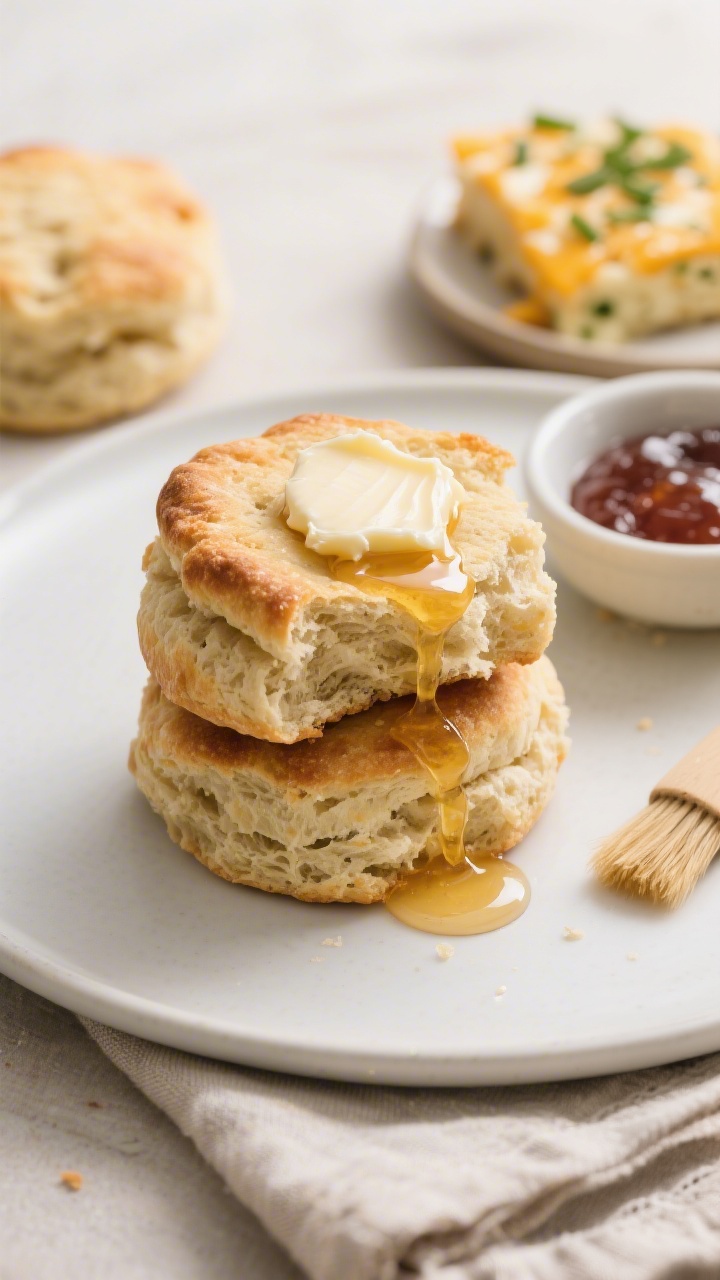
To reheat, warm in a 325°F (163°C) oven for 8–10 minutes, or toast split-side down in a skillet with a little butter. Avoid microwaving for more than 10–15 seconds; it can make them tough.
Why This is Good for You
This recipe reduces food waste by using sourdough discard you’d normally throw away. That discard brings natural acidity, which helps with tenderness and flavor.
You can also add whole-grain flour or herbs for a nutrient boost without losing the biscuit magic.
Homemade biscuits also let you control the ingredients. You can use high-quality butter, keep the salt balanced, and skip preservatives. Paired with eggs, smoked salmon, or bean chili, these biscuits become a satisfying, balanced meal component.
Pitfalls to Watch Out For
- Warm butter: If the butter melts before baking, you’ll lose flakiness.
Keep ingredients cold and work quickly.
- Overmixing: Stir just until the dough comes together. Overworking develops gluten and leads to tough biscuits.
- Too much flour while shaping: Extra flour toughens the dough. Lightly dust the surface; don’t bury it.
- Old leavening: Stale baking powder or soda means flat biscuits.
Replace if older than 6 months or if it’s lost oomph.
- Twisting the cutter: Twisting seals edges and prevents a good rise. Press straight down and lift.
Alternatives
- Dairy-free: Use cold plant butter and plant milk with 1 teaspoon lemon juice or vinegar per 1/2 cup to mimic buttermilk.
- Cheddar and chive: Fold in 1/2 to 3/4 cup shredded sharp cheddar and 2 tablespoons chopped chives before adding wet ingredients.
- Garlic-herb: Add 1 teaspoon garlic powder and 2 teaspoons mixed dried herbs. Brush baked biscuits with garlic butter.
- Sweet version: Add 2 tablespoons sugar and a whisper of cinnamon.
Serve with honey or berry jam.
- Whole wheat blend: Swap up to 1/2 cup of the all-purpose flour for white whole wheat. Add a splash more buttermilk if needed.
- Drop biscuits: Skip the folding. Loosen the dough with an extra 2–3 tablespoons buttermilk and drop by spoonfuls.
Bake 10–12 minutes.
FAQ
Can I use active, bubbly starter instead of discard?
Yes, but it will be slightly less tangy, and the dough may be a bit looser. You may need a touch less buttermilk. The biscuits will still rise nicely.
What hydration should my discard be?
Most home starters are 100% hydration (equal weight flour and water).
That’s perfect here. If your discard is much thinner, hold back some buttermilk; if thicker, add a splash more.
Can I make the dough ahead?
You can mix the dry ingredients and cut in the butter ahead of time. Store in the fridge up to 2 days.
Add discard and buttermilk right before baking for the best lift.
Why didn’t my biscuits rise?
Common culprits are warm butter, old baking powder, twisting the cutter, or rolling too thin. Aim for 1-inch thickness and keep everything cold.
Can I bake these in a cast-iron skillet?
Absolutely. Butter the skillet, nestle the biscuits so they touch, and bake as directed.
The bottoms get beautifully crisp and golden.
How do I make them extra flaky?
Keep the butter cold, use the fold-and-pat method, and give the cut biscuits a 10-minute chill in the fridge before baking. That brief rest helps set the fat.
Do I need buttermilk?
No. Milk works fine.
For extra tang, add 1 teaspoon lemon juice or vinegar per 1/2 cup milk and let it sit 5 minutes before using.
In Conclusion
Sourdough discard biscuits are simple, economical, and full of buttery charm. With a few smart steps—cold butter, gentle handling, and a quick bake—you’ll get tall, tender biscuits every time. Keep a jar of discard handy, and breakfast, brunch, or a last-minute dinner side is always within reach.
Warm from the oven, they’re the kind of baking win that never gets old.

Sourdough Discard Biscuits – Fluffy, Buttery, and Ready in Minutes
Ingredients
- All-purpose flour: The base for tender biscuits. You can swap in part whole wheat, but keep some white flour for softness.
- Baking powder: Gives lift. Make sure it’s fresh.
- Baking soda: Reacts with the acidity in the discard for extra rise.
- Kosher salt: For flavor. Use a bit less if you’re using table salt.
- Cold unsalted butter: The key to flaky layers. Keep it cold until it hits the oven.
- Sourdough discard: Unfed starter, ideally 100% hydration. Cold or room temp both work.
- Buttermilk or milk: Buttermilk adds tang and tenderness. Milk works too; add a teaspoon of lemon juice if you have it.
- Optional add-ins: Cheddar, chives, black pepper, garlic powder, or a touch of sugar for sweet biscuits.
- Optional finish: Melted butter or cream for brushing the tops.
Instructions
- Preheat the oven: Set it to 450°F (232°C). Line a baking sheet with parchment or lightly butter a cast-iron skillet.
- Mix dry ingredients: In a large bowl, whisk 2 cups all-purpose flour, 1 tablespoon baking powder, 1/2 teaspoon baking soda, and 3/4 teaspoon salt.
- Cut in the butter: Grate 1/2 cup (1 stick) very cold butter on the large holes of a box grater, or cube it. Toss into the flour and cut in with a pastry cutter or your fingers until pea-sized bits remain.
- Combine wet ingredients: In a small bowl, stir 1 cup sourdough discard with 1/2 cup cold buttermilk (start with 1/3 cup if your discard is runny). You want a thick, scoopable mixture.
- Bring the dough together: Pour the wet mixture into the flour. Gently fold with a spatula until shaggy and just combined. If it’s too dry, add a tablespoon of buttermilk. If too sticky, sprinkle in a tablespoon of flour.
- Pat and fold: Turn the dough onto a lightly floured surface. Pat into a rectangle about 3/4-inch thick. Fold it in thirds like a letter. Turn, pat again, and repeat 2 more times. This creates layers.
- Shape and cut: Pat to 1-inch thickness. Use a round cutter (2 to 2.5 inches) to cut straight down—don’t twist. Gently press scraps together and cut more. You’ll get 8–10 biscuits.
- Pan placement: For taller biscuits, place them so their sides touch. For crisper edges, space them an inch apart on the sheet.
- Top and bake: Brush tops with a little milk or melted butter if you like. Bake 12–15 minutes until risen and deep golden on top.
- Finish: Brush with more melted butter while warm. Let them rest 5 minutes before splitting.


