

Sourdough dinner rolls that are soft, fluffy, and done the same day? Yes, it’s absolutely possible. These rolls bring that gentle tang of sourdough you love, with a pillowy texture that begs for butter.
No overnight fermentation or complicated steps—just a warm basket of rolls by dinnertime. If you’ve got an active starter and a few pantry staples, you’re set. Let’s make something comforting and practical without overthinking it.
What Makes This Special

Most sourdough recipes take a day or two, but this one is built for your schedule.
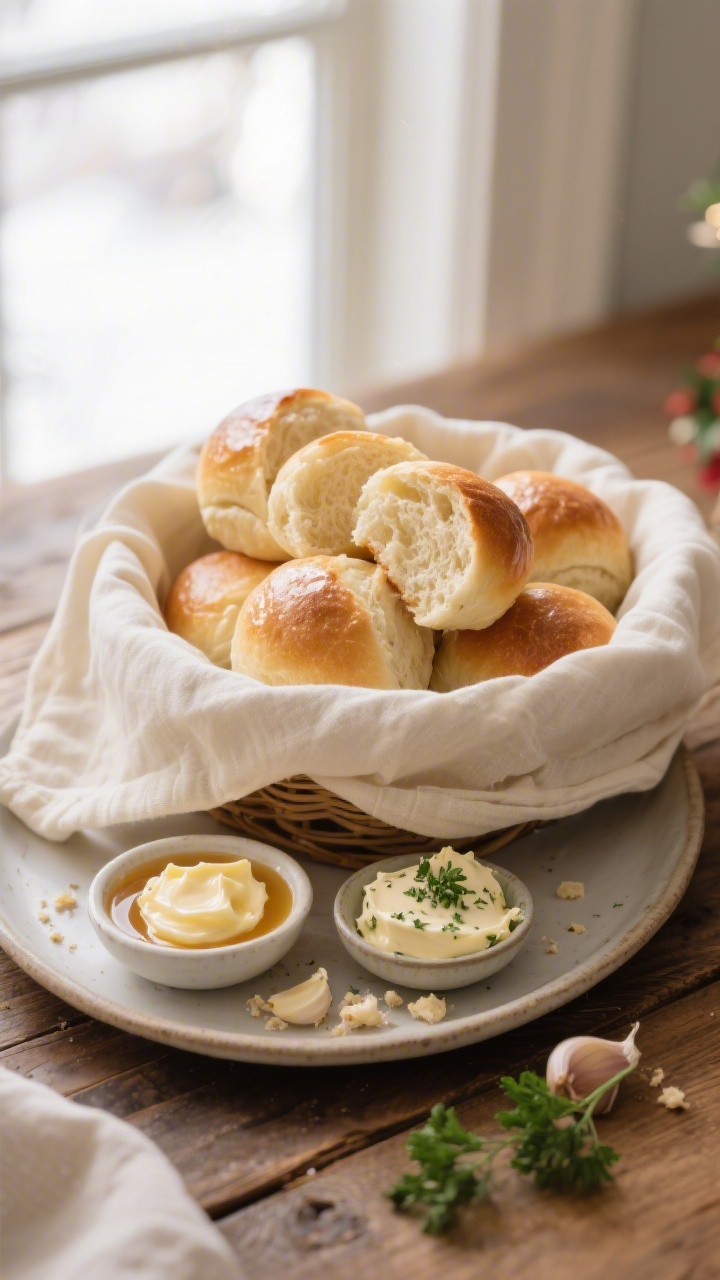
With a warm proof and a little instant yeast for backup, the rolls rise fast and still taste like classic sourdough. The texture is incredibly tender thanks to a touch of milk and butter. You’ll get golden tops, soft centers, and a mild tang that pairs with everything from soup to roasted chicken.
It’s the kind of recipe you’ll keep on repeat for weeknights and holidays alike.
What You’ll Need
- Active sourdough starter: 150 g (about 3/4 cup), bubbly and recently fed
- Warm milk: 240 g (1 cup), about 100–110°F (lukewarm)
- Water: 60 g (1/4 cup), lukewarm
- Granulated sugar or honey: 25 g (2 tbsp)
- Instant yeast (optional but recommended for same day): 3 g (about 1 tsp)
- All-purpose flour: 420–460 g (3 1/3 to 3 3/4 cups), start low and add as needed
- Salt: 9 g (1 1/2 tsp)
- Unsalted butter, softened: 56 g (4 tbsp) for the dough
- Butter for brushing: 2–3 tbsp, melted
- Neutral oil or nonstick spray: For greasing the bowl and pan
Step-by-Step Instructions

- Check your starter. Make sure it’s active and bubbly. If it doubles within 4–6 hours of feeding, it’s good to go. If not, give it a feed and wait until it’s lively.
- Mix wet ingredients. In a large bowl or stand mixer, combine warm milk, water, sugar (or honey), and sourdough starter.
Stir until mostly smooth. Sprinkle in the instant yeast if using.
- Add dry ingredients. Add 420 g of flour and the salt. Mix until a shaggy dough forms.
Let it rest (autolyse) for 10 minutes to hydrate the flour.
- Work in the butter. Add the softened butter and knead. In a stand mixer (dough hook), knead on medium-low for 6–8 minutes. By hand, knead 8–10 minutes.
The dough should be soft, slightly tacky, and stretchy. If it’s too sticky, add flour 1 tablespoon at a time, up to 40 g more.
- First rise (bulk ferment). Shape the dough into a ball and place it in a lightly oiled bowl. Cover and let it rise in a warm spot (75–80°F) until puffy and nearly doubled, 60–90 minutes with yeast, or 2–3 hours without.
A warm oven (off) with the light on works well.
- Prep the pan. Grease a 9×13-inch baking pan or a large round cake pan. You can also line with parchment for easy cleanup.
- Divide and shape. Turn the dough onto a lightly floured surface. Divide into 12 equal pieces (about 70–75 g each).
For smooth rolls, cup your hand over each piece and roll it against the counter in small circles to create surface tension.
- Pan the rolls. Arrange the balls evenly in the pan with a little space between them. Cover loosely with plastic wrap or a damp towel.
- Second rise. Let the rolls rise in a warm spot until noticeably puffy and touching, 45–75 minutes. They should jiggle slightly when the pan is tapped.
Don’t rush this step—size and feel matter more than the clock.
- Preheat the oven. Heat to 375°F (190°C) about 20 minutes before baking. For extra softness, place a small pan of hot water on the bottom rack to create gentle steam.
- Bake. Brush the tops lightly with melted butter. Bake 18–22 minutes, until the rolls are golden brown and the centers read about 195–200°F on an instant-read thermometer.
- Finish and cool. Brush with more melted butter right out of the oven for a soft, glossy finish.
Cool in the pan for 10–15 minutes before serving warm.
How to Store
- Room temperature: Keep rolls in an airtight container or bag for 2–3 days. Rewarm for a few minutes in a 300°F oven to refresh.
- Freeze: Wrap tightly and freeze for up to 2 months. Thaw at room temperature, then warm in the oven for 8–10 minutes at 325°F.
- Make-ahead option: After shaping, cover and refrigerate overnight.
Bring to room temperature and let them finish proofing before baking (30–60 minutes more).
Benefits of This Recipe
- Same-day ease: You get real sourdough flavor without a long timeline.
- Soft and fluffy: Milk and butter create a tender crumb perfect for dinner or sliders.
- Flexible process: Use instant yeast for speed or skip it for a slightly longer rise.
- Beginner-friendly: Simple steps, no special equipment required.
- Works for any meal: Great with soups, holiday spreads, or breakfast sandwiches.
Pitfalls to Watch Out For
- Underactive starter: If your starter isn’t bubbly, the dough will crawl instead of rise. Feed it and wait until it’s lively.
- Too much flour: A stiff dough makes dense rolls. Aim for soft and slightly tacky; add flour sparingly.
- Cool proofing environment: If your kitchen is cold, proofing will drag.
Use a warm spot or proofing box to stay on schedule.
- Overbaking: Dry rolls happen fast. Start checking at 18 minutes and pull when golden.
- Skipping the rest after baking: Let rolls sit 10 minutes so the crumb sets and stays moist.
Variations You Can Try
- Garlic herb: Add 1–2 tsp Italian seasoning and 1–2 minced garlic cloves to the dough; brush baked rolls with garlic butter and parsley.
- Honey butter rolls: Replace sugar with honey and finish with honey butter glaze.
- Whole wheat blend: Swap 25–30% of the flour for whole wheat. Add a tablespoon of milk if the dough feels tight.
- Cheddar and chive: Fold in 1 cup shredded sharp cheddar and 2 tbsp chopped chives during the last minute of mixing.
- Seeded tops: Brush with egg wash and sprinkle sesame, poppy, or everything seasoning before baking.
FAQ
Can I make these without instant yeast?
Yes.
Rely on your sourdough starter alone, and expect longer rise times—about 2–3 hours for the first rise and 1–2 hours for the second, depending on temperature and starter strength.
My dough is really sticky. Should I keep adding flour?
Add flour in small amounts until the dough is just tacky, not dry. A slightly sticky dough bakes up softer and lighter, so resist adding too much.
How do I know the rolls are proofed enough to bake?
They should be noticeably puffy, touching each other in the pan, and slowly spring back when gently poked.
If they collapse when poked, they’re over-proofed; move to the oven right away.
Can I use milk alternatives?
Unsweetened oat or almond milk works. The flavor and browning may change slightly, but the rolls will still be soft.
What if I don’t have a stand mixer?
No problem. Mix with a sturdy spoon, then knead by hand.
Use a bench scraper to help manage stickiness and rest the dough for a minute whenever it fights back.
Can I bake these as individual rolls on a sheet?
Yes. Space them 2 inches apart on a lined sheet. They’ll bake a touch faster and won’t have pull-apart sides, but the texture will still be soft.
How do I get a shinier top?
Brush with egg wash (1 egg beaten with 1 tbsp water) before baking, then finish with melted butter after baking for shine and softness.
Why is my sourdough flavor mild?
Same-day rolls have a gentler tang.
For more flavor, cold-proof the shaped rolls overnight, then bake the next day.
Can I double the recipe?
Absolutely. Use two 9×13 pans or a half-sheet pan. Keep rise and bake times similar, but watch color closely near the end.
What’s the best way to reheat leftovers?
Wrap in foil and warm at 300–325°F for 8–10 minutes.
This keeps them soft and prevents drying out.
Wrapping Up
These same-day soft sourdough dinner rolls give you the best of both worlds: real sourdough character and weeknight practicality. The dough is forgiving, the steps are simple, and the result is consistently tender and golden. Keep the butter handy and make them part of your regular rotation—you’ll be glad you did.

Soft Sourdough Dinner Rolls (Same Day) – Fluffy, Buttery, and Ready Tonight
Ingredients
- Active sourdough starter: 150 g (about 3/4 cup), bubbly and recently fed
- Warm milk: 240 g (1 cup), about 100–110°F (lukewarm)
- Water: 60 g (1/4 cup), lukewarm
- Granulated sugar or honey: 25 g (2 tbsp)
- Instant yeast (optional but recommended for same day): 3 g (about 1 tsp)
- All-purpose flour: 420–460 g (3 1/3 to 3 3/4 cups), start low and add as needed
- Salt: 9 g (1 1/2 tsp)
- Unsalted butter, softened: 56 g (4 tbsp) for the dough
- Butter for brushing: 2–3 tbsp, melted
- Neutral oil or nonstick spray: For greasing the bowl and pan
Instructions
- Check your starter. Make sure it’s active and bubbly. If it doubles within 4–6 hours of feeding, it’s good to go. If not, give it a feed and wait until it’s lively.
- Mix wet ingredients. In a large bowl or stand mixer, combine warm milk, water, sugar (or honey), and sourdough starter. Stir until mostly smooth. Sprinkle in the instant yeast if using.
- Add dry ingredients. Add 420 g of flour and the salt. Mix until a shaggy dough forms. Let it rest (autolyse) for 10 minutes to hydrate the flour.
- Work in the butter. Add the softened butter and knead. In a stand mixer (dough hook), knead on medium-low for 6–8 minutes. By hand, knead 8–10 minutes. The dough should be soft, slightly tacky, and stretchy. If it’s too sticky, add flour 1 tablespoon at a time, up to 40 g more.
- First rise (bulk ferment). Shape the dough into a ball and place it in a lightly oiled bowl. Cover and let it rise in a warm spot (75–80°F) until puffy and nearly doubled, 60–90 minutes with yeast, or 2–3 hours without. A warm oven (off) with the light on works well.
- Prep the pan. Grease a 9×13-inch baking pan or a large round cake pan. You can also line with parchment for easy cleanup.
- Divide and shape. Turn the dough onto a lightly floured surface. Divide into 12 equal pieces (about 70–75 g each). For smooth rolls, cup your hand over each piece and roll it against the counter in small circles to create surface tension.
- Pan the rolls. Arrange the balls evenly in the pan with a little space between them. Cover loosely with plastic wrap or a damp towel.
- Second rise. Let the rolls rise in a warm spot until noticeably puffy and touching, 45–75 minutes. They should jiggle slightly when the pan is tapped. Don’t rush this step—size and feel matter more than the clock.
- Preheat the oven. Heat to 375°F (190°C) about 20 minutes before baking. For extra softness, place a small pan of hot water on the bottom rack to create gentle steam.
- Bake. Brush the tops lightly with melted butter. Bake 18–22 minutes, until the rolls are golden brown and the centers read about 195–200°F on an instant-read thermometer.
- Finish and cool. Brush with more melted butter right out of the oven for a soft, glossy finish. Cool in the pan for 10–15 minutes before serving warm.