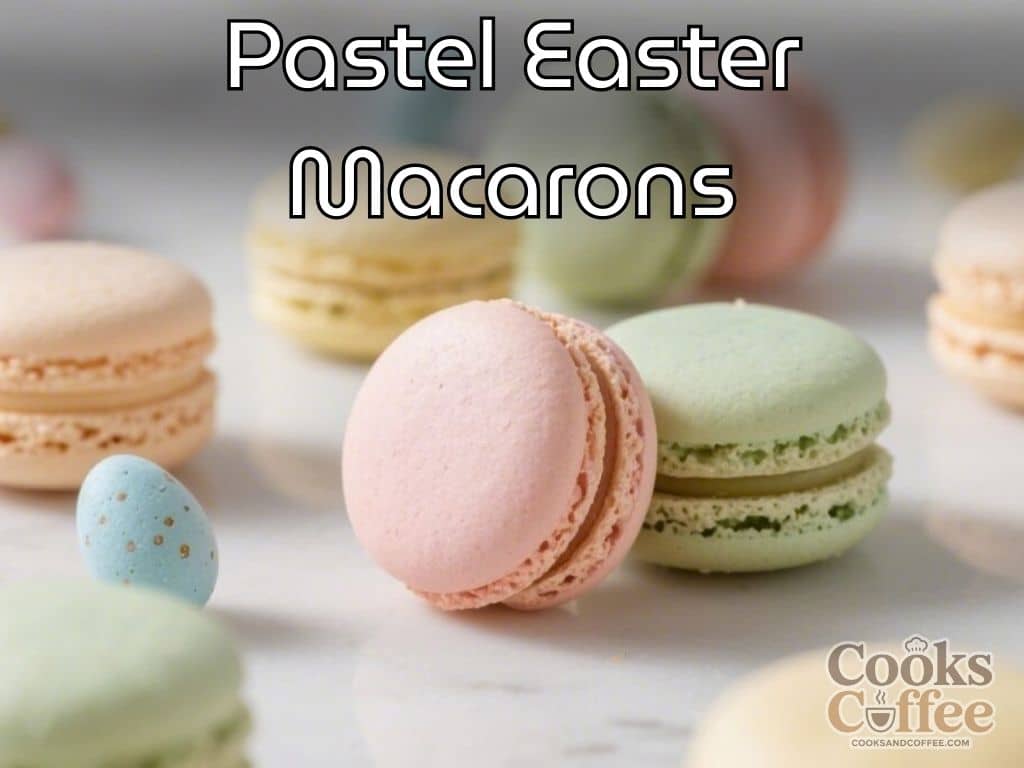
Macarons feel like tiny celebrations you can hold in your hand. Their delicate shells and creamy fillings look fancy, but with a little guidance, they’re absolutely doable at home. These Pastel Easter Macarons bring soft spring colors, gentle sweetness, and that classic crisp-chewy bite.
They’re beautiful on a brunch table, sweet in a gift box, and fun to customize. If you’ve been meaning to try macarons, this is a great place to start.
Why This Recipe Works
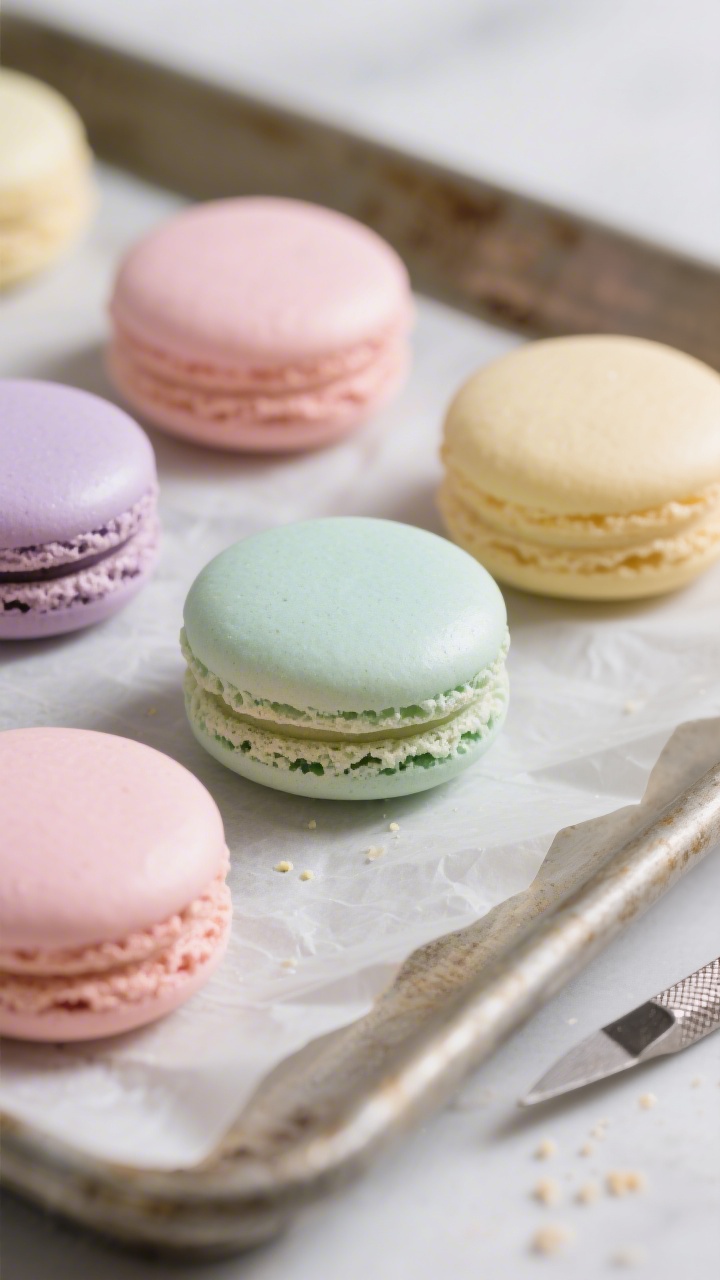
Macarons are all about technique, and this recipe keeps it clear and consistent. We use the French meringue method, which is straightforward and reliable for home bakers.
A balanced ratio of almond flour to powdered sugar creates smooth shells with a tender crumb. Resting the piped batter forms a dry skin on top, which encourages those signature macaron “feet.” Gentle baking at a steady temperature prevents cracking and hollowness. The pastel shades come from gel food coloring, which won’t throw off the batter’s texture like liquid dyes can.
What You’ll Need
- For the shells:
- 110 g fine almond flour (blanched, super-fine)
- 200 g powdered sugar
- 100 g egg whites (about 3 large), aged to room temperature
- 100 g granulated sugar
- 1/4 tsp cream of tartar (optional, helps stabilize meringue)
- Pinch of fine salt
- Gel food coloring in pastel shades (e.g., soft pink, lavender, mint, pale yellow)
- 1 tsp vanilla extract (optional)
- For the filling (choose one or mix and match):
- Vanilla Buttercream: 115 g unsalted butter (room temp), 200 g powdered sugar, 1–2 tbsp milk or cream, 1 tsp vanilla, pinch of salt
- Lemon Curd Buttercream: 115 g butter, 150 g powdered sugar, 2–3 tbsp lemon curd, pinch of salt
- Raspberry Ganache: 150 g white chocolate, 40 ml heavy cream, 1–2 tbsp seedless raspberry jam
- Tools:
- Kitchen scale
- Stand mixer or hand mixer
- Fine-mesh sieve
- Silicone spatula
- Piping bags with round tips (size 10–12)
- Two baking sheets lined with parchment or silicone mats
- Oven thermometer (helpful)
- Toothpick or scribe tool
Step-by-Step Instructions
- Prep the dry mix: Sift almond flour and powdered sugar together into a bowl.
Discard any coarse bits. Sift once more for extra-smooth shells.
- Whip the meringue: In a clean bowl, beat egg whites on medium until foamy. Add cream of tartar and salt.
Gradually sprinkle in granulated sugar. Increase to medium-high and beat until you get glossy, medium-stiff peaks that curl slightly at the tip. Mix in vanilla if using.
- Color the meringue: Divide the meringue into separate bowls per color.
Add a tiny amount of gel coloring to each and fold briefly to tint. Keep shades light—pastel is the goal.
- Macaronage (folding): For each color, add a portion of the almond-sugar mix. Fold gently, pressing the batter against the bowl to deflate large air pockets.
Aim for a lava-like flow that ribbons off the spatula and disappears back into the batter in about 10–15 seconds.
- Pipe the shells: Transfer batter to piping bags fitted with round tips. Pipe 1.25–1.5 inch circles onto lined trays, spacing them an inch apart. Keep the bag vertical and apply even pressure.
- Tap and pop bubbles: Firmly tap trays on the counter a few times.
Use a toothpick to pop visible air bubbles and smooth the tops.
- Rest: Let shells sit at room temperature until they form a dry skin on top, about 25–45 minutes depending on humidity. When you gently touch the surface, it shouldn’t stick to your finger.
- Preheat the oven: Heat to 300°F (150°C). Use an oven thermometer if possible for accuracy.
- Bake: Bake one tray at a time for 14–17 minutes.
Shells are done when they have set feet and the tops don’t wobble if nudged. If the bottoms stick, they need another minute or two.
- Cool: Let shells cool completely on the tray before removing. This helps prevent tearing.
- Make the filling:
- Vanilla Buttercream: Beat butter until creamy.
Add powdered sugar, salt, and vanilla. Thin with milk/cream to a spreadable consistency.
- Lemon Curd Buttercream: Beat butter, then add powdered sugar and salt. Beat in lemon curd for a tangy, smooth filling.
- Raspberry Ganache: Warm cream until steaming, pour over chopped white chocolate, rest 2 minutes, then stir smooth.
Mix in jam. Chill briefly until pipeable.
- Vanilla Buttercream: Beat butter until creamy.
- Assemble: Pair shells by size. Pipe a dollop of filling on one shell and sandwich with its match, twisting gently to spread the filling to the edges.
- Mature the macarons: For best texture, place assembled macarons in an airtight container and refrigerate for 24 hours.
This allows the filling to soften the shells slightly and create that perfect chew.
How to Store
- Refrigerator: Keep filled macarons in an airtight container for up to 5 days. Bring to room temperature (about 20–30 minutes) before serving.
- Freezer: Freeze assembled macarons for up to 1 month in a well-sealed container. Thaw in the fridge overnight, then bring to room temp.
- Unfilled shells: Freeze layers of shells between parchment in an airtight container for up to 2 months.
Health Benefits
Macarons are a treat, but they do have a few lighter points compared to many desserts.
They are gluten-free when made with pure almond flour, which suits those avoiding wheat. Almonds offer a small boost of healthy fats, vitamin E, and protein. Portion control is built in—each cookie is small, so it’s easier to enjoy a sweet bite without going overboard.
You can also reduce added dyes by using minimal gel coloring, or try naturally tinted options.
Pitfalls to Watch Out For
- Over- or under-mixed batter: Too thick and the tops peak; too thin and shells spread and crack. Look for slow, shiny ribbons that settle smoothly.
- Skipping the rest: If the surface isn’t dry before baking, cracks are likely. Rest until touching the tops leaves no residue.
- Inaccurate oven temperature: Too hot causes browning and hollows; too cool leads to weak feet.
An oven thermometer is your friend.
- Wet coloring: Liquid food dyes can thin the batter. Stick to gel coloring and use a tiny amount.
- Humidity: High humidity slows drying. Run a dehumidifier or rest shells near (not on) a warm, not steamy, oven.
Variations You Can Try
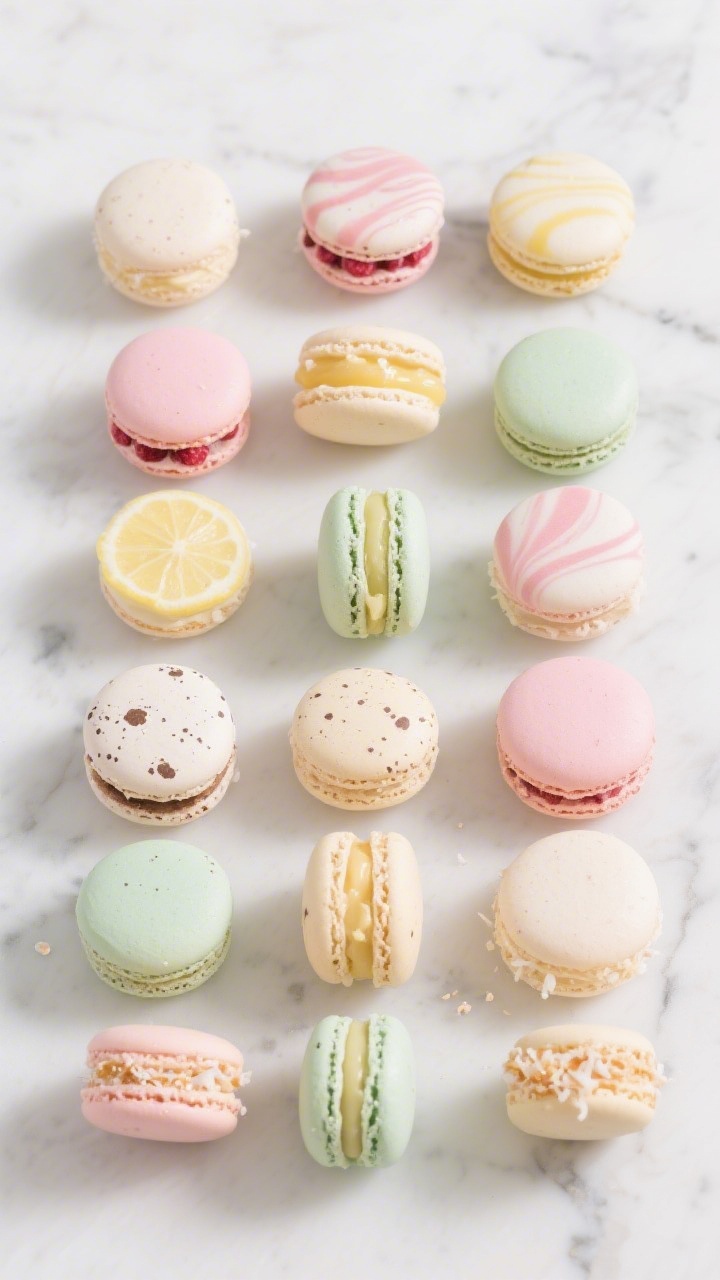
- Speckled eggs: Mix a drop of cocoa with a little vanilla extract.
Flick over dried shells before baking for a speckled look.
- Marbled shells: Stripe your piping bag with thin lines of different pastel colors for a gentle swirl effect.
- Citrus trio: Fill each color with lemon, lime, or orange buttercream for a bright, springy assortment.
- Carrot cake twist: Add a pinch of cinnamon to shells and fill with cream cheese frosting (keep chilled).
- Easter basket finish: Roll the edges of filled macarons in finely shredded, toasted coconut for texture.
FAQ
Why are my macarons hollow?
Hollows often come from over-beaten meringue, under-baked shells, or too hot an oven. Aim for medium-stiff peaks, ensure proper macaronage, and bake until tops don’t wobble. Let shells cool fully before peeling off the mat.
Can I make these without almond flour?
Classic macarons rely on almond flour for texture and flavor.
Some bakers use fine hazelnut or pistachio flour as a substitute. Coconut flour or wheat flour won’t behave the same way and aren’t recommended.
Do I really need to age the egg whites?
Aging helps relax the proteins and can create a more stable meringue. If you’re short on time, bring fresh egg whites fully to room temperature and whip carefully.
You can still get great results.
How much food coloring should I use?
Start with a tiny amount—about a toothpick’s tip of gel color. Pastels require very little, and too much coloring can affect texture. You can always add more.
My shells stuck to the mat.
What now?
They were likely under-baked. Return the tray to the warm oven for 1–2 minutes. Cooling fully on the tray also helps them release cleanly.
Can I make the shells ahead?
Yes.
Bake and cool shells, then freeze them in layers between parchment in an airtight container for up to 2 months. Fill after thawing in the fridge.
What’s the best filling for warm weather?
Buttercream is sturdy and holds up well. For fruit flavor without excess moisture, fold a bit of jam or freeze-dried fruit powder into buttercream instead of using runny curds.
Wrapping Up
Pastel Easter Macarons look festive, taste elegant, and aren’t as fussy as their reputation suggests.
With accurate measurements, patient resting, and a steady bake, you’ll get smooth tops, neat feet, and a soft chew. Play with gentle colors, switch up fillings, and have fun personalizing each batch. These sweet little cookies bring spring to the table—one bite at a time.

Pastel Easter Macarons – Light, Cheery, and Perfect for Spring
Ingredients
- For the shells: 110 g fine almond flour (blanched, super-fine)
- 200 g powdered sugar
- 100 g egg whites (about 3 large), aged to room temperature
- 100 g granulated sugar
- 1/4 tsp cream of tartar (optional, helps stabilize meringue)
- Pinch of fine salt
- Gel food coloring in pastel shades (e.g., soft pink, lavender, mint, pale yellow)
- 1 tsp vanilla extract (optional)
- For the filling (choose one or mix and match): Vanilla Buttercream: 115 g unsalted butter (room temp), 200 g powdered sugar, 1–2 tbsp milk or cream, 1 tsp vanilla, pinch of salt
- Lemon Curd Buttercream: 115 g butter, 150 g powdered sugar, 2–3 tbsp lemon curd, pinch of salt
- Raspberry Ganache: 150 g white chocolate, 40 ml heavy cream, 1–2 tbsp seedless raspberry jam
- Tools: Kitchen scale
- Stand mixer or hand mixer
- Fine-mesh sieve
- Silicone spatula
- Piping bags with round tips (size 10–12)
- Two baking sheets lined with parchment or silicone mats
- Oven thermometer (helpful)
- Toothpick or scribe tool
Instructions
- Prep the dry mix: Sift almond flour and powdered sugar together into a bowl. Discard any coarse bits. Sift once more for extra-smooth shells.
- Whip the meringue: In a clean bowl, beat egg whites on medium until foamy. Add cream of tartar and salt. Gradually sprinkle in granulated sugar. Increase to medium-high and beat until you get glossy, medium-stiff peaks that curl slightly at the tip. Mix in vanilla if using.
- Color the meringue: Divide the meringue into separate bowls per color. Add a tiny amount of gel coloring to each and fold briefly to tint. Keep shades light—pastel is the goal.
- Macaronage (folding): For each color, add a portion of the almond-sugar mix. Fold gently, pressing the batter against the bowl to deflate large air pockets. Aim for a lava-like flow that ribbons off the spatula and disappears back into the batter in about 10–15 seconds.
- Pipe the shells: Transfer batter to piping bags fitted with round tips. Pipe 1.25–1.5 inch circles onto lined trays, spacing them an inch apart. Keep the bag vertical and apply even pressure.
- Tap and pop bubbles: Firmly tap trays on the counter a few times. Use a toothpick to pop visible air bubbles and smooth the tops.
- Rest: Let shells sit at room temperature until they form a dry skin on top, about 25–45 minutes depending on humidity. When you gently touch the surface, it shouldn’t stick to your finger.
- Preheat the oven: Heat to 300°F (150°C). Use an oven thermometer if possible for accuracy.
- Bake: Bake one tray at a time for 14–17 minutes. Shells are done when they have set feet and the tops don’t wobble if nudged. If the bottoms stick, they need another minute or two.
- Cool: Let shells cool completely on the tray before removing. This helps prevent tearing.
- Make the filling: Vanilla Buttercream: Beat butter until creamy. Add powdered sugar, salt, and vanilla. Thin with milk/cream to a spreadable consistency.
- Lemon Curd Buttercream: Beat butter, then add powdered sugar and salt. Beat in lemon curd for a tangy, smooth filling.
- Raspberry Ganache: Warm cream until steaming, pour over chopped white chocolate, rest 2 minutes, then stir smooth. Mix in jam. Chill briefly until pipeable.
- Assemble: Pair shells by size. Pipe a dollop of filling on one shell and sandwich with its match, twisting gently to spread the filling to the edges.
- Mature the macarons: For best texture, place assembled macarons in an airtight container and refrigerate for 24 hours. This allows the filling to soften the shells slightly and create that perfect chew.