

If you keep a sourdough starter, chances are you’ve wondered what to do with the extra. These pancakes are the answer. They’re light, slightly tangy, and come together fast in the morning because the batter rests overnight.
The slow rise gives them a tender crumb and a golden, lacy edge. You get a weekend-worthy stack with weekday effort.
What Makes This Special
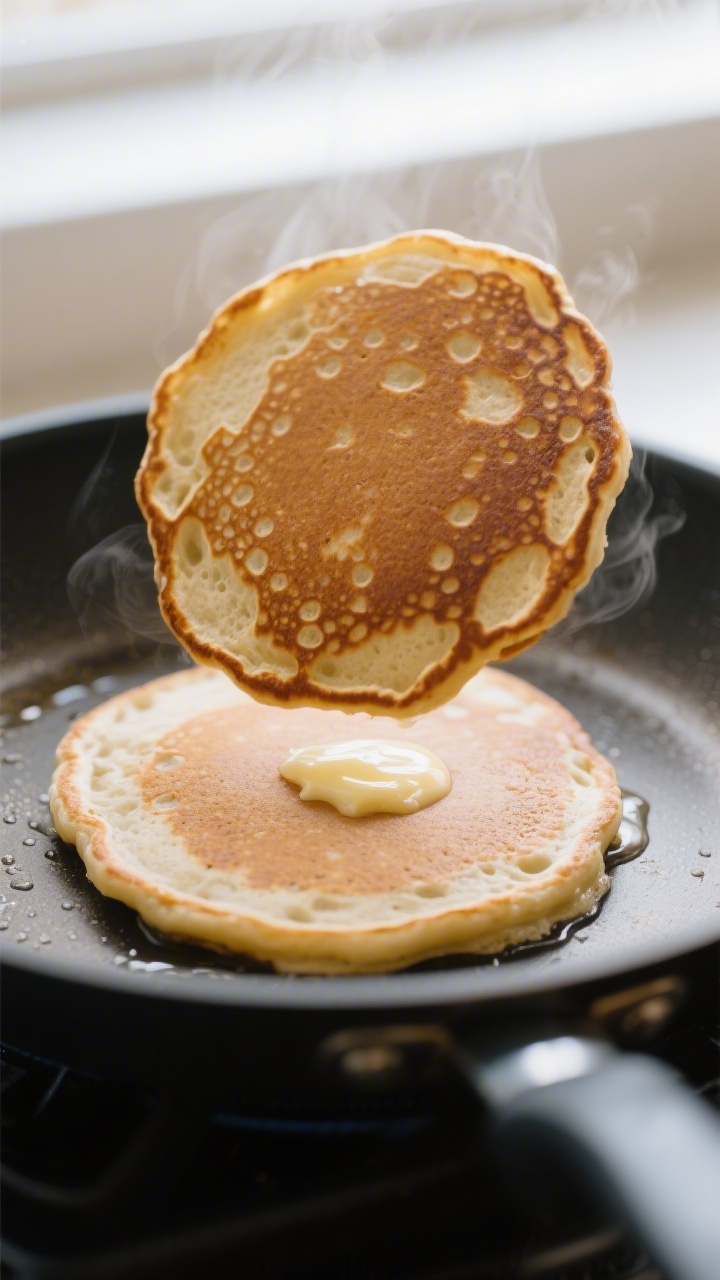
Sourdough adds a gentle tang and a depth of flavor you can’t get from regular pancakes. Resting the batter overnight lets the flour hydrate fully, making the pancakes softer and fluffier.
The long rest also helps break down some of the starches, which can make the pancakes easier to digest. Best of all, you can use your discard instead of tossing it, turning kitchen scraps into breakfast gold.
These pancakes cook up with crisp edges and pillowy centers. They’re not overly sweet, which makes them a great canvas for fruit, maple syrup, or a dollop of yogurt.
And because the batter is ready when you wake up, the morning is blissfully simple: heat the pan, pour, flip, and eat.
Ingredients
- 1 cup (240 g) active sourdough starter or discard (100% hydration is ideal)
- 1 cup (120 g) all-purpose flour (or a blend with up to 25% whole wheat)
- 1 cup (240 ml) milk (dairy or unsweetened non-dairy)
- 1 large egg
- 2 tbsp (25 g) sugar (or 1 tbsp honey)
- 2 tbsp (28 g) melted butter or neutral oil (plus more for the pan)
- 1 tsp vanilla extract (optional but lovely)
- 1 tsp baking powder
- 1/2 tsp baking soda
- 1/2 tsp fine sea salt
Note: If your starter is very thick, you may need a splash more milk in the morning to loosen the batter.
How to Make It
- Mix the overnight batter. In a large bowl, whisk together starter, flour, and milk until smooth. Cover the bowl tightly (lid, plate, or plastic wrap) and let it rest in the fridge overnight, 8–12 hours. For a stronger tang, you can rest at cool room temperature (around 68°F/20°C) for 6–8 hours.
- Finish the batter in the morning. Whisk the egg, sugar, melted butter, and vanilla into the rested mixture.
Sprinkle baking powder, baking soda, and salt over the top, then whisk just until combined. The batter should be pourable and slightly bubbly.
- Adjust consistency. If it looks too thick (more like cake batter than pancake batter), add 1–3 tablespoons of milk to loosen. If it’s too thin, whisk in 1–2 tablespoons of flour.
- Preheat the pan. Heat a nonstick skillet or griddle over medium heat until a drop of water skitters across the surface.
Lightly grease with butter or oil. A well-heated pan helps create even browning and a delicate crust.
- Pour and cook. Scoop 1/4 cup of batter per pancake. Cook until the edges look set and bubbles form on top, 2–3 minutes.
Flip and cook another 1–2 minutes, until golden on both sides.
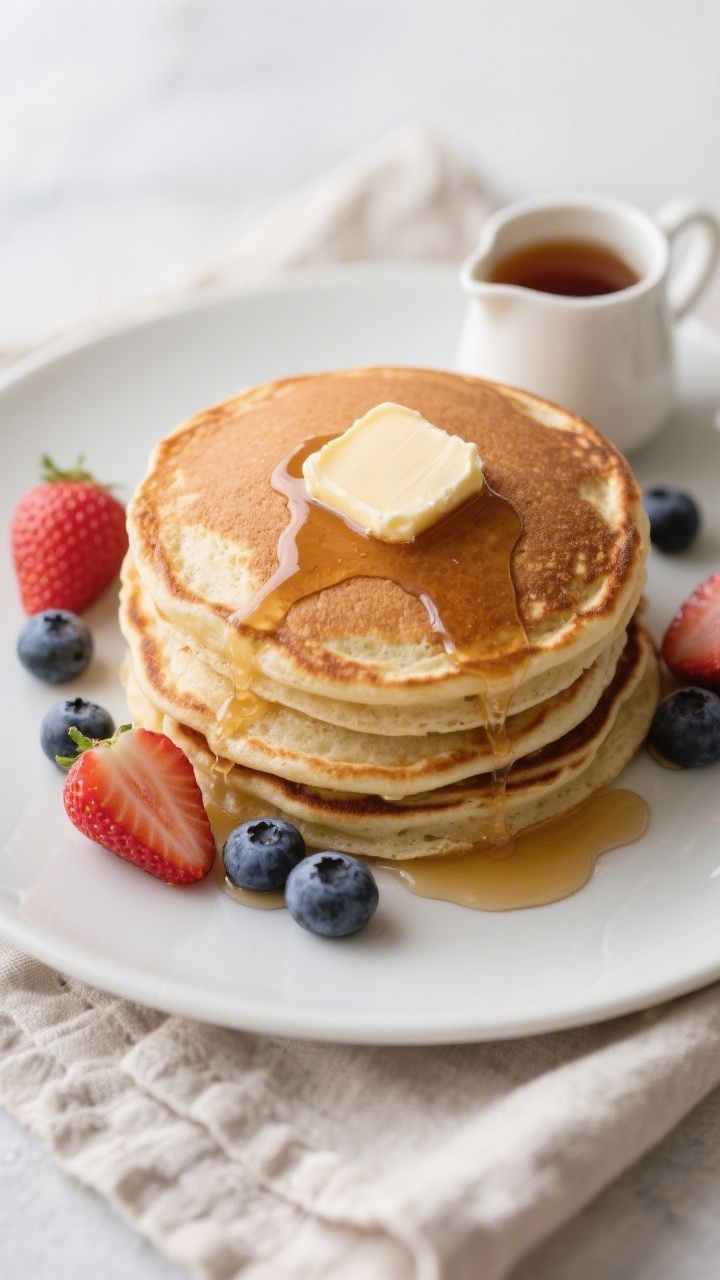
- Serve warm. Stack pancakes on a warm plate and cover lightly with a clean towel while you cook the rest. Serve with butter and maple syrup, fresh berries, or yogurt and honey.
Tip: Keep the heat moderate. If pancakes brown too fast, lower the heat so the centers cook through without scorching.
Keeping It Fresh
- Refrigerate leftovers: Cool completely, then store in an airtight container for up to 3 days.
- Freeze for later:</-strong> Lay pancakes in a single layer on a sheet pan to freeze, then transfer to a freezer bag for up to 2 months.
Reheat in the toaster or oven.
- Make-ahead batter: The mixed overnight batter (before adding egg and leaveners) keeps up to 24 hours in the fridge. Stir in egg, baking powder, baking soda, and salt right before cooking.
- Reheating: A toaster or hot skillet brings back crisp edges better than the microwave.
Why This is Good for You
Sourdough fermentation can make grains easier to digest for some people. The overnight rest lets natural acids and enzymes start breaking down starches and gluten.
It also builds flavor without extra sugar. Using discard helps reduce food waste, and you can swap in part whole wheat for more fiber and minerals.
Because the pancakes aren’t overly sweet, you can balance the plate with fruit, nuts, or yogurt. The protein from the egg and the fat from butter or oil help keep you full longer.
It’s a breakfast that feels indulgent but still grounded and satisfying.
Pitfalls to Watch Out For
- Dense pancakes: Often caused by overmixing after adding baking powder and baking soda. Whisk just until combined.
- Flat pancakes: If the batter sat too long after adding the leaveners, it can lose lift. Cook soon after mixing in the morning.
- Too sour: Resting at warm room temperature too long can push the tang over the top.
Keep it in the fridge for a gentler flavor.
- Burning before cooked through:</-strong> Heat is too high. Dial it back and give the pancakes time to set.
- Gummy centers: Batter too thick or undercooked. Thin slightly with milk and extend the cook time on moderate heat.
Recipe Variations
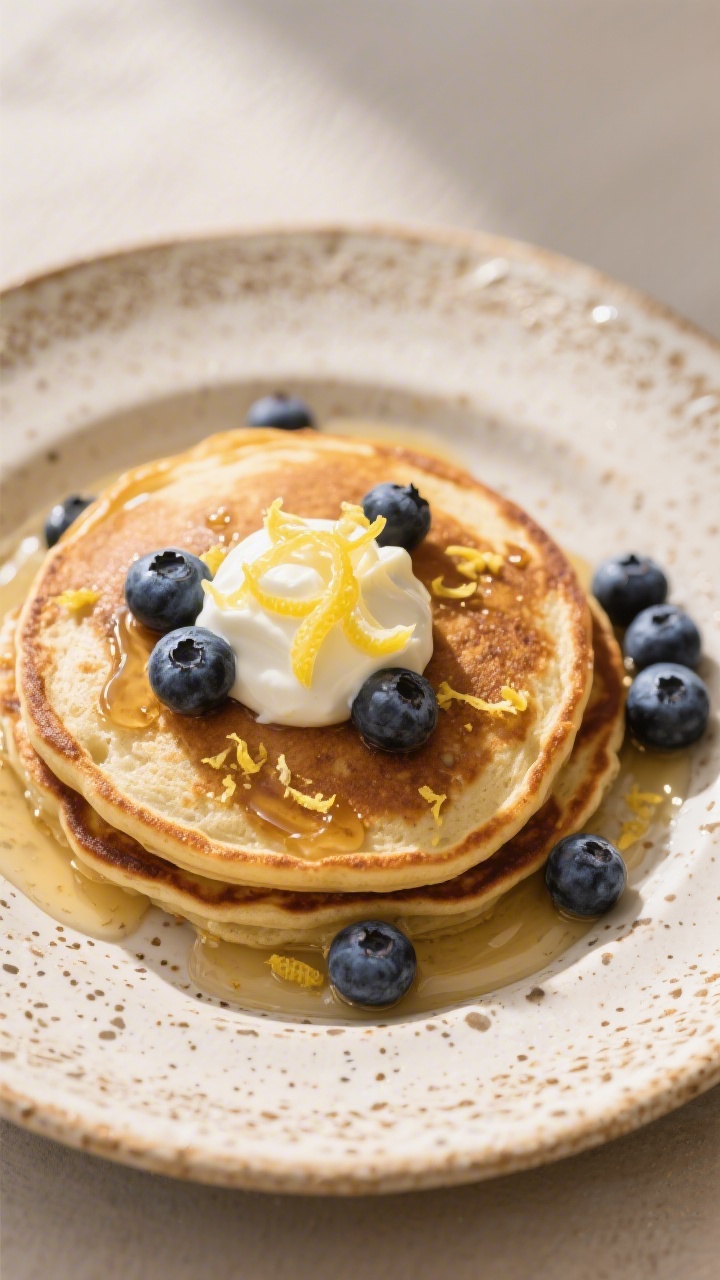
- Blueberry Lemon: Fold 1 cup fresh or frozen blueberries into the morning batter and add 1 tsp lemon zest.
- Cinnamon Banana: Add 1 tsp cinnamon and 1 mashed ripe banana.
Reduce sugar slightly to taste.
- Whole-Grain Boost: Swap 1/3 of the flour for whole wheat, spelt, or rye for nutty flavor and extra texture.
- Buttermilk Twist: Replace milk with buttermilk for extra tenderness and tang. Keep the baking soda to balance acidity.
- Savory Stack: Skip vanilla and sugar. Add chopped chives, grated cheddar, and black pepper.
Serve with smoked salmon or a fried egg.
- Dairy-Free:</-strong> Use plant milk and oil instead of butter. Coconut milk gives a rich, subtle sweetness.
- Gluten-Friendly: Try a 1:1 gluten-free flour blend. Make sure your starter is fed with gluten-free flour as well if needed.
FAQ
Can I use sourdough discard straight from the fridge?
Yes.
Cold discard works well since the batter rests overnight and warms up slightly. If your discard is very sour or thick, adjust with a bit more milk and a touch of sugar or vanilla to balance.
Do I have to rest the batter overnight?
Overnight rest gives the best texture and flavor, but you can do a shorter 1–2 hour rest at room temperature. The pancakes will still be good, just a little less tender and complex.
Why use both baking powder and baking soda?
The soda reacts with the sourdough’s natural acidity for quick lift and browning, while baking powder gives added rise and a softer crumb.
Together, they make fluffier pancakes with a gentle tang.
My batter smells very sour. Is it safe?
A tangy, vinegary smell is normal for sourdough. If it smells putrid, cheesy, or otherwise off, or if you see pink or orange streaks, toss it.
When in doubt, feed your starter and try again.
How do I keep pancakes warm for a crowd?
Set your oven to 200°F (95°C). Place cooked pancakes on a wire rack set over a sheet pan so they don’t steam and get soggy. Serve within 30–40 minutes for best texture.
Can I make waffles with this batter?
Yes.
For waffles, reduce the milk by 2–3 tablespoons and add 1 extra tablespoon of melted butter or oil. Cook in a preheated waffle iron until deeply golden and crisp.
What if I don’t have starter?
You can mimic the tang by mixing 1 cup flour, 1 cup milk, and 2 teaspoons apple cider vinegar overnight. It won’t be true sourdough, but it gets you some of the texture and flavor.
Final Thoughts
Overnight sourdough pancakes are an easy win: minimal morning work, big flavor, and a lovely way to use your starter.
Once you’ve made them a few times, you’ll find your rhythm—how thick you like the batter, how hot your pan should be, and which toppings you love most. Keep it simple on busy mornings or dress it up on weekends. Either way, you’ll have a stack that feels special without trying too hard.

Overnight Sourdough Pancakes – Light, Tangy, and Ready in the Morning
Ingredients
- 1 cup (240 g) active sourdough starter or discard (100% hydration is ideal)
- 1 cup (120 g) all-purpose flour (or a blend with up to 25% whole wheat)
- 1 cup (240 ml) milk (dairy or unsweetened non-dairy)
- 1 large egg
- 2 tbsp (25 g) sugar (or 1 tbsp honey)
- 2 tbsp (28 g) melted butter or neutral oil (plus more for the pan)
- 1 tsp vanilla extract (optional but lovely)
- 1 tsp baking powder
- 1/2 tsp baking soda
- 1/2 tsp fine sea salt
Instructions
- Mix the overnight batter. In a large bowl, whisk together starter, flour, and milk until smooth. Cover the bowl tightly (lid, plate, or plastic wrap) and let it rest in the fridge overnight, 8–12 hours. For a stronger tang, you can rest at cool room temperature (around 68°F/20°C) for 6–8 hours.
- Finish the batter in the morning. Whisk the egg, sugar, melted butter, and vanilla into the rested mixture. Sprinkle baking powder, baking soda, and salt over the top, then whisk just until combined. The batter should be pourable and slightly bubbly.
- Adjust consistency. If it looks too thick (more like cake batter than pancake batter), add 1–3 tablespoons of milk to loosen. If it’s too thin, whisk in 1–2 tablespoons of flour.
- Preheat the pan. Heat a nonstick skillet or griddle over medium heat until a drop of water skitters across the surface. Lightly grease with butter or oil. A well-heated pan helps create even browning and a delicate crust.
- Pour and cook. Scoop 1/4 cup of batter per pancake. Cook until the edges look set and bubbles form on top, 2–3 minutes. Flip and cook another 1–2 minutes, until golden on both sides.
- Serve warm. Stack pancakes on a warm plate and cover lightly with a clean towel while you cook the rest. Serve with butter and maple syrup, fresh berries, or yogurt and honey.


