

If you’re craving a show-stopping main dish that doesn’t keep you in the kitchen all day, this Maple Dijon Pork Tenderloin is it. The glaze hits that sweet spot—literally—balancing maple’s warmth with sharp Dijon, a kiss of garlic, and a hint of herbs. The result is juicy, tender pork with a caramelized crust that tastes like you worked way harder than you did.
It’s weeknight-friendly, dinner-party ready, and pairs easily with whatever sides you have on hand.
What Makes This Special
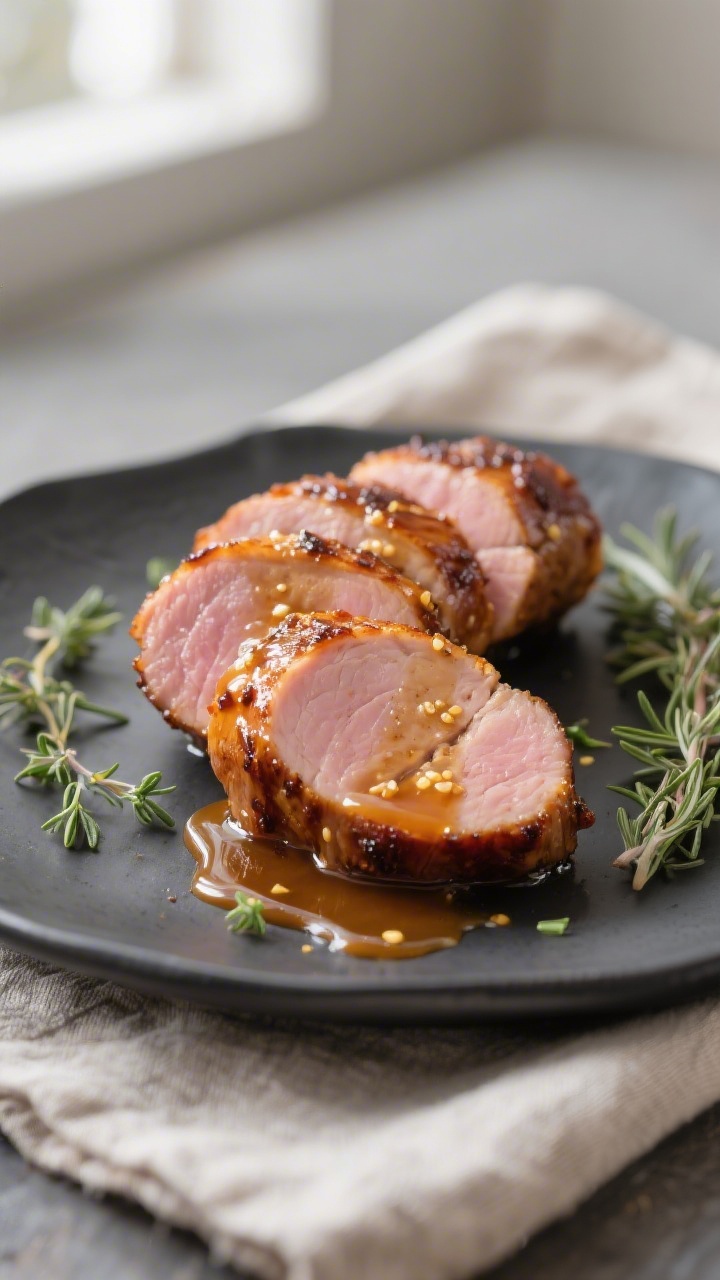
This recipe shines because it’s both fast and flavorful. Pork tenderloin cooks quickly and stays tender when handled right, and the maple-Dijon combo brings restaurant-level depth without complicated steps. A quick sear locks in juices, while the oven finishes the job with a glossy glaze that clings to every slice.
It’s also versatile.
You can roast it, grill it, or cook it in a skillet and finish under the broiler. And the glaze ingredients are pantry staples—no special shopping trip needed.
Ingredients
- 2 pork tenderloins (about 1 to 1.25 pounds each), silver skin trimmed
- 2 tablespoons olive oil, divided
- 1 teaspoon kosher salt
- 1/2 teaspoon black pepper
- 1/2 teaspoon smoked paprika (optional but great for depth)
- 1/3 cup pure maple syrup (grade A or B, not pancake syrup)
- 3 tablespoons Dijon mustard
- 2 cloves garlic, minced
- 1 tablespoon apple cider vinegar (or lemon juice)
- 1 teaspoon fresh thyme leaves (or 1/2 teaspoon dried thyme)
- 1 teaspoon fresh rosemary, finely chopped (optional)
- Pinch of red pepper flakes (optional, for mild heat)
- 1 tablespoon unsalted butter (for finishing glaze, optional)
- Lemon wedges, for serving (optional)
Instructions
- Prep the pork. Pat the tenderloins dry with paper towels. Trim any silver skin.
Season all over with salt, pepper, and smoked paprika. Let sit at room temperature for 15 minutes while you prep the glaze.
- Make the glaze. In a small bowl, whisk maple syrup, Dijon, garlic, apple cider vinegar, thyme, rosemary, and red pepper flakes. Taste and adjust—add a bit more mustard if you want it sharper, or more maple if you prefer extra sweetness.
- Heat the pan and oven. Preheat your oven to 400°F (205°C).
Set a large oven-safe skillet over medium-high heat and add 1 tablespoon olive oil.
- Sear the tenderloins. When the oil shimmers, add the pork. Sear 2 to 3 minutes per side until lightly browned all over. Don’t cook through yet—you’re building flavor.
- Glaze and roast. Turn off the heat.
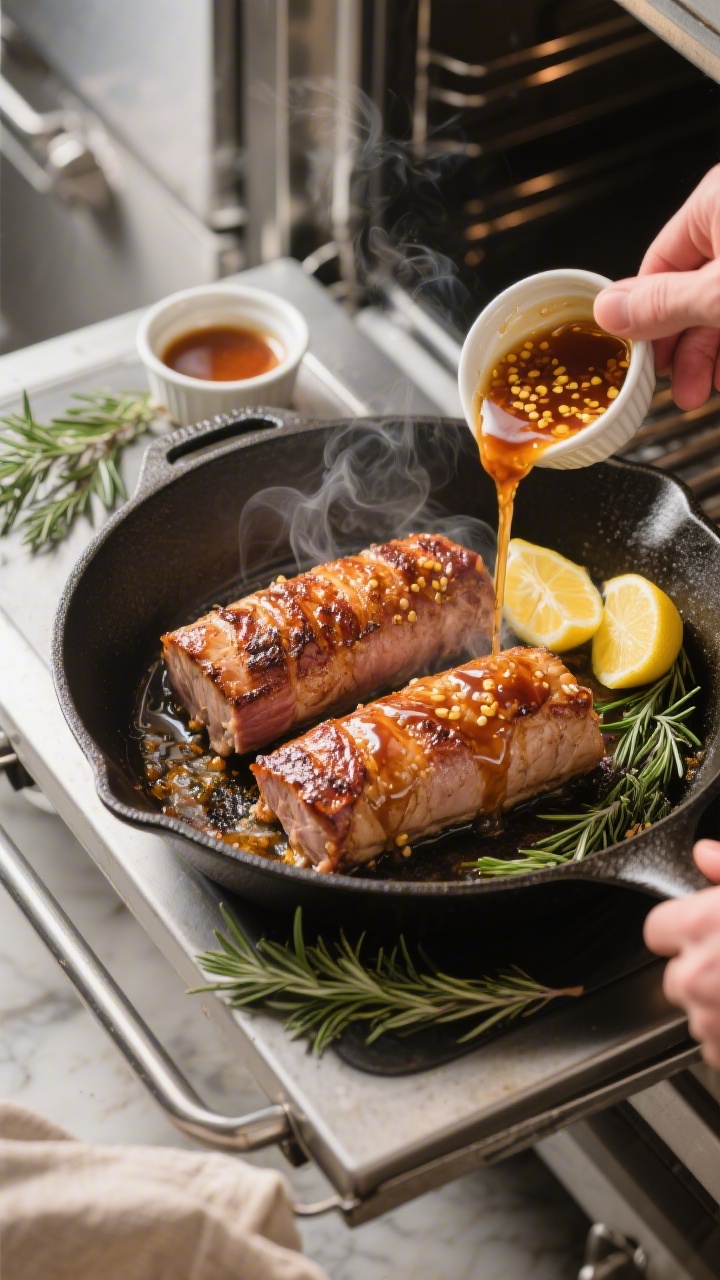
Spoon about half the glaze over the pork, turning to coat. Transfer the skillet to the oven and roast for 12 to 16 minutes, basting once with more glaze halfway through. Start checking temperature at 12 minutes.
- Check doneness. Pull the pork when an instant-read thermometer in the thickest part reads 140–145°F (60–63°C).
The temperature will rise a bit as it rests.
- Rest and finish glaze. Transfer the pork to a cutting board, tent loosely with foil, and rest for 8 to 10 minutes. Meanwhile, set the skillet over low heat. Stir in remaining glaze and the butter, scraping up brown bits.
Simmer 1 to 2 minutes until slightly thickened.
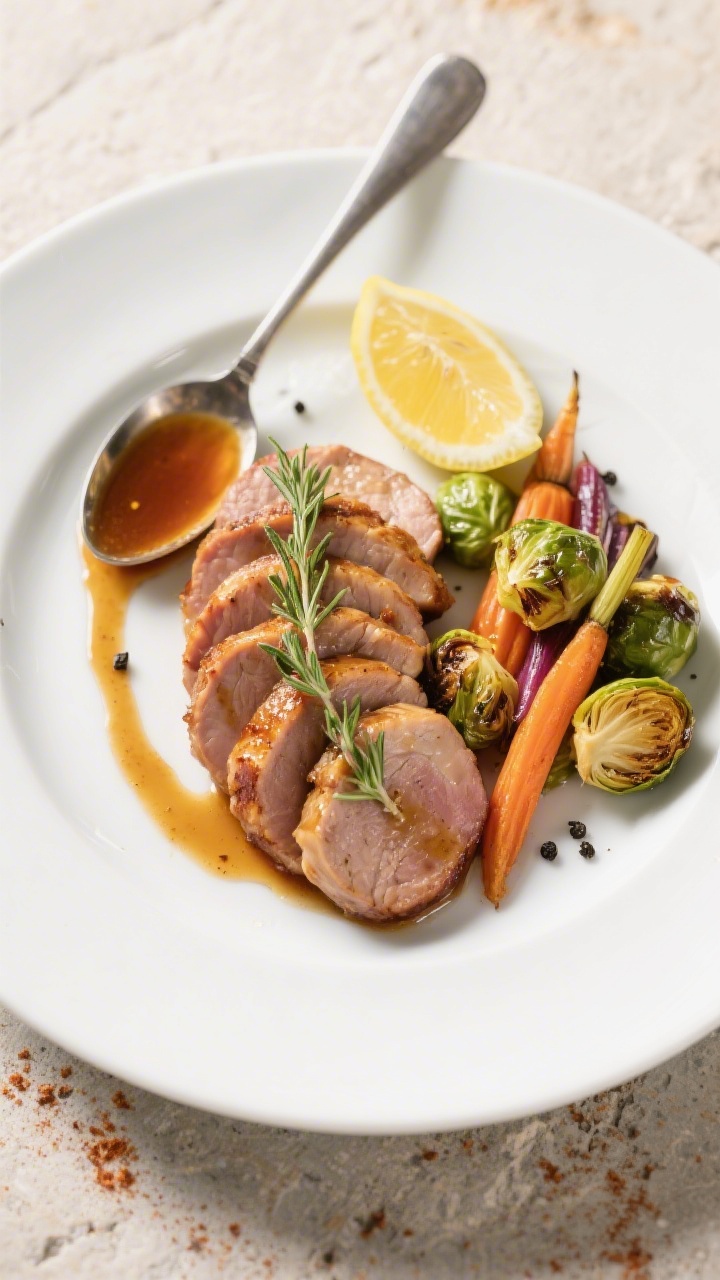
- Slice and serve. Slice the pork into 1/2-inch medallions. Spoon warm glaze over the top. Finish with a squeeze of lemon if you like, and serve with your favorite sides.
Keeping It Fresh
Leftovers hold up beautifully when stored well.
Place sliced pork in an airtight container with a spoonful of glaze to keep it moist. Refrigerate for up to 3 to 4 days. Reheat gently in a covered skillet over low heat or in the microwave at 50% power to avoid drying it out.
Want to freeze?
Freeze sliced pork with glaze in a freezer-safe bag for up to 2 months. Thaw overnight in the fridge and rewarm gently. The texture stays surprisingly tender if you don’t overheat.
Health Benefits
- Lean protein: Pork tenderloin is one of the leanest cuts of pork, offering high-quality protein with relatively low fat.
- Balanced flavors, balanced portions: The maple adds sweetness, but you’re using a moderate amount spread over multiple servings.
- Micronutrients: Pork provides B vitamins, especially thiamin and B6, which support energy metabolism and nervous system health.
- Heart-friendly tweaks: Use olive oil, keep salt modest, and pair with fiber-rich sides like roasted Brussels sprouts or a quinoa salad for a more complete, nutrient-dense meal.
Pitfalls to Watch Out For
- Overcooking: Tenderloin dries out quickly.
Use a thermometer and pull at 140–145°F. Resting is non-negotiable.
- Skip the silver skin at your peril: Leaving it on can cause the meat to curl and become chewy. Trim it with a sharp knife.
- Burning the glaze: Sugars in maple can scorch.
Sear first without glaze, then add it before roasting. Keep the oven at 400°F, not higher.
- Under-seasoning: Pork needs salt. Season the meat before searing, then let the glaze bring the punchy finish.
Alternatives
- Pan-roast and broil: If you don’t have an oven-safe skillet, sear in a pan, transfer to a sheet pan, brush with glaze, and finish under the broiler, watching closely.
- Grill it: Grill over medium-high heat, turning every few minutes.
Brush with glaze during the last 5 minutes to avoid flare-ups.
- Slow cooker variation: Sear pork first, then cook on low for 2 to 3 hours with half the glaze. Thicken remaining glaze on the stove and brush before serving. Texture will be softer, more like pulled slices.
- Swap the sweetener: Use honey for a floral note or brown sugar plus a splash of water for a deeper caramel vibe.
- Change the mustard: Whole-grain mustard adds texture and a milder zing.
Yellow mustard works in a pinch but tastes sharper and less complex.
- Herb shift: Try sage instead of rosemary, or add a bit of orange zest for a bright citrus layer.
FAQ
Can I use pork loin instead of tenderloin?
Yes, but adjust the cooking method. Pork loin is thicker and takes longer. Sear, then roast at 350°F until it reaches 145°F, which may take 45 to 60 minutes depending on size.
Baste with glaze during the last 15 minutes.
How do I know when the pork is done without a thermometer?
A thermometer is the most reliable tool. Without one, look for a slight blush of pink in the center and clear, not bloody, juices. The meat should feel springy, not squishy or rock-hard.
Still, for consistent results, invest in a thermometer.
Is the maple flavor very sweet?
It’s pleasantly balanced. The Dijon, garlic, and vinegar cut through the sweetness. If you prefer less sweet, reduce maple by a tablespoon and add an extra teaspoon of mustard.
Can I marinate the pork in the glaze?
You can marinate for 1 to 2 hours, but keep in mind the maple may promote quicker browning.
Pat the pork dry before searing and reserve fresh glaze for roasting and finishing.
What sides go well with this?
Roasted carrots, Brussels sprouts, or sweet potatoes are great. For starch, try garlicky mashed potatoes, wild rice, or creamy polenta. A crisp apple-cabbage slaw also complements the maple-Dijon notes.
How can I make it spicy?
Add 1/4 to 1/2 teaspoon red pepper flakes or a teaspoon of hot sauce to the glaze.
A sprinkle of cayenne in the initial seasoning also brings gentle heat.
Can I make it ahead?
Yes. Mix the glaze up to 3 days in advance and refrigerate. You can also sear the pork a few hours ahead, then roast and glaze just before serving for best texture.
What if I don’t have Dijon mustard?
Use whole-grain mustard or a 50/50 mix of yellow mustard and a bit of apple cider vinegar.
The flavor will shift slightly but still be delicious.
How do I keep the pork juicy?
Do three things: don’t skip the sear, don’t overcook (aim for 140–145°F), and rest the meat. Slicing too early releases the juices onto the board instead of into your dinner.
Can I use chicken instead?
Yes. Boneless, skinless chicken thighs or breasts work well.
Sear, then roast until the internal temperature reaches 165°F. Adjust timing based on thickness.
Wrapping Up
Maple Dijon Pork Tenderloin brings a welcome mix of sweet, tangy, and savory in a recipe you can pull off any night of the week. With a quick sear, a short roast, and a glossy glaze, you get tender slices that taste like a special occasion.
Keep a bottle of real maple syrup and a jar of Dijon on hand, and you’ve always got the makings of a reliable, crowd-pleasing dinner.
Serve it with simple sides, save the leftovers for a great next-day lunch, and make it your own with herbs and heat. It’s the kind of recipe that earns a spot in your regular rotation—easy, impressive, and consistently delicious.

Maple Dijon Pork Tenderloin – Simple, Sweet, and Savory
Ingredients
- 2 pork tenderloins (about 1 to 1.25 pounds each), silver skin trimmed
- 2 tablespoons olive oil, divided
- 1 teaspoon kosher salt
- 1/2 teaspoon black pepper
- 1/2 teaspoon smoked paprika (optional but great for depth)
- 1/3 cup pure maple syrup (grade A or B, not pancake syrup)
- 3 tablespoons Dijon mustard
- 2 cloves garlic, minced
- 1 tablespoon apple cider vinegar (or lemon juice)
- 1 teaspoon fresh thyme leaves (or 1/2 teaspoon dried thyme)
- 1 teaspoon fresh rosemary, finely chopped (optional)
- Pinch of red pepper flakes (optional, for mild heat)
- 1 tablespoon unsalted butter (for finishing glaze, optional)
- Lemon wedges, for serving (optional)
Instructions
- Prep the pork. Pat the tenderloins dry with paper towels. Trim any silver skin. Season all over with salt, pepper, and smoked paprika. Let sit at room temperature for 15 minutes while you prep the glaze.
- Make the glaze. In a small bowl, whisk maple syrup, Dijon, garlic, apple cider vinegar, thyme, rosemary, and red pepper flakes. Taste and adjust—add a bit more mustard if you want it sharper, or more maple if you prefer extra sweetness.
- Heat the pan and oven. Preheat your oven to 400°F (205°C). Set a large oven-safe skillet over medium-high heat and add 1 tablespoon olive oil.
- Sear the tenderloins. When the oil shimmers, add the pork. Sear 2 to 3 minutes per side until lightly browned all over. Don’t cook through yet—you’re building flavor.
- Glaze and roast. Turn off the heat. Spoon about half the glaze over the pork, turning to coat. Transfer the skillet to the oven and roast for 12 to 16 minutes, basting once with more glaze halfway through. Start checking temperature at 12 minutes.
- Check doneness. Pull the pork when an instant-read thermometer in the thickest part reads 140–145°F (60–63°C). The temperature will rise a bit as it rests.
- Rest and finish glaze. Transfer the pork to a cutting board, tent loosely with foil, and rest for 8 to 10 minutes. Meanwhile, set the skillet over low heat. Stir in remaining glaze and the butter, scraping up brown bits. Simmer 1 to 2 minutes until slightly thickened.
- Slice and serve. Slice the pork into 1/2-inch medallions. Spoon warm glaze over the top. Finish with a squeeze of lemon if you like, and serve with your favorite sides.