
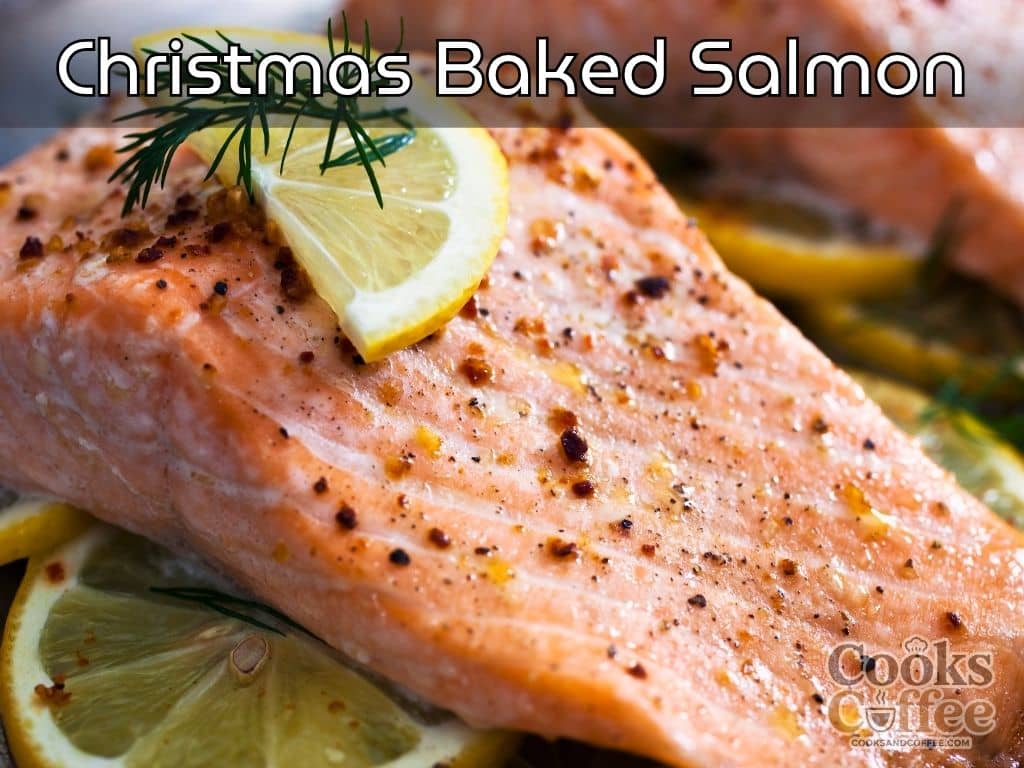
How about this: You’re standing in your kitchen on Christmas Eve, and someone suggests turkey for the millionth year in a row. Yawn, right? 🙂
I totally get the appeal of tradition, but sometimes you need to shake things up with something that actually makes your guests do a double-take when you bring it to the table. That’s where a gorgeous, festive baked salmon comes in to save your holiday dinner from becoming another snooze fest.
I discovered the magic of Christmas salmon a few years back when I was hosting a smaller holiday gathering and couldn’t justify roasting an entire bird for six people.
This recipe transformed my entire approach to holiday cooking, and honestly, I haven’t looked back since.
We’re talking about a dish that looks like you slaved away for hours but actually comes together in under an hour.
Why Salmon Beats Traditional Christmas Mains Every Time
Save Your Sanity in the Kitchen
You know what nobody talks about enough? How exhausting it is to cook a traditional Christmas dinner.
Turkey requires constant basting, ham takes forever, and both leave you stuck in the kitchen while everyone else enjoys cocktails. Salmon flips that script entirely.
Quick Cooking Time
A whole side of salmon feeds a crowd just as impressively as those traditional options, but it bakes in about 25-30 minutes at the right temperature. That means you actually get to spend time with your guests instead of playing kitchen servant all night.
Plus, salmon is naturally elegant and packed with healthy omega-3 fatty acids, so you can feel a little less guilty about that second slice of pie later.
The Visual Wow Factor
The visual impact alone makes salmon worth considering. When you top it with jewel-toned pomegranate seeds, vibrant green pistachios or herbs, and a creamy sauce, you create something that screams “special occasion” without actually requiring special skills.
Choosing Your Salmon Like a Pro
Size Matters
Here’s where people often mess up right from the start. You need a whole side of salmon that weighs between 1.25 to 2 pounds, depending on how many people you’re feeding.
I always buy mine skin-on with the bones already removed because nobody wants to play surgeon at the dinner table.
Wild vs. Farm-Raised
Wild-caught salmon varieties like sockeye or coho tend to be thinner and cook faster, while farm-raised Atlantic salmon runs thicker and needs a few extra minutes in the oven. IMO, wild-caught tastes better, but I won’t judge you for going with what’s available or fits your budget.
The most important thing is freshness.
Freshness Check at the Counter
When you’re at the fish counter, look for flesh that appears moist and has a bright color. Give it a sniff too (don’t be shy about this).
Fresh salmon should smell like the ocean, not fishy or off. If the person behind the counter gives you a weird look, so what?
You’re about to drop some cash on the centerpiece of your Christmas dinner.
The Perfect Baking Temperature Debate
Temperature Wars
FYI, this is where things get controversial in the cooking world. You’ll find recipes calling for everything from 275°F to 450°F, and honestly, it confused me for the longest time.
After testing multiple temperatures myself, I landed on 375°F as the sweet spot for a large side of salmon.
Why 375°F Works Best
Here’s why that temperature works so well. Higher temps like 425°F or 450°F cook individual fillets beautifully, but they’re too aggressive for a big 2-pound side.
You end up with overcooked edges and an undercooked center, which is basically a dinner party nightmare. Lower temperatures around 275°F definitely keep things moist, but they take forever and don’t develop that slight caramelization you want.
The Perfect Result
At 375°F, you get even cooking throughout, a slightly crispy exterior, and that perfect flaky texture inside. Your salmon will take about 24-30 minutes to reach an internal temperature of 145°F, which is exactly what you want.
Building Layers of Flavor – The Secret to Show-Stopping Salmon
Want to know what separates an okay salmon from a show-stopping one? Layers of complementary flavors that build on each other.
You can’t just slap some salt on there and call it festive.
Option 1: Honey Butter Glaze
I start with a base layer that usually involves butter and something sweet like honey. This creates moisture and helps other ingredients stick to the fish.
For a honey butter approach, you melt about 150g of unsalted butter with half a cup of honey and some minced garlic, then brush it generously over your seasoned salmon.
Option 2: Creamy Yogurt Base
The alternative is a creamy yogurt base. Mix Greek yogurt with Dijon or whole grain mustard, fresh dill, lemon zest, lemon juice, and pressed garlic.
This combo creates a tangy, herbaceous coating that pairs beautifully with salmon’s natural richness. Spread it all over your fish before baking.
The Sauce That Makes Everyone Ask for Seconds
Classic Creamy Dill Sauce
After your salmon bakes, you need a sauce that ties everything together. My go-to is an insanely simple creamy dill sauce that takes literally five minutes to make.
You combine 1.5 cups of full-fat sour cream with finely chopped fresh dill, grated shallot, lemon zest, and salt.
Why Full-Fat Matters
Why full-fat sour cream? Because low-fat versions turn watery and sad, and nobody needs that energy at Christmas dinner.
The combination of tangy sour cream with fresh dill creates this bright, refreshing contrast to the rich salmon that somehow makes you want to keep eating even when you’re full.
Pomegranate Reduction Alternative
If you prefer something more dramatic, consider a pomegranate reduction. Simmer pomegranate juice with Dijon mustard, honey, caramelized shallots, and garlic until it thickens into a glossy sauce.
This adds a sweet-tart element that screams holiday without being overly Christmassy.
Creating the Festive Toppings
The Secret to Restaurant-Quality Presentation
This is where your salmon goes from “nice dinner” to “Instagram-worthy masterpiece.” Ever wondered why restaurant dishes look so much better than home cooking?
It’s all in the garnish, my friend.
Color Is Everything
For a traditional festive look, you want colors that pop against the pink salmon. Here’s what I pile on top:
- Pomegranate seeds: These ruby-red jewels add crunch, tartness, and serious visual appeal
- Chopped pistachios or slivered almonds: The green from pistachios or the golden hue of almonds provides texture and nuttiness
- Fresh herbs: Dill and parsley work best because they complement salmon naturally without overpowering it
- Dried cranberries: For extra Christmas vibes, rehydrate these in orange juice first
Mix and Scatter Generously
I mix most of these toppings together and scatter them generously over the sauced salmon. The combination of crunchy, soft, tart, and savory elements creates textural interest in every bite.
Don’t be stingy with the toppings either. This is a celebration, not a diet commercial.
The Foolproof Baking Method
Keep It Simple
You know what kills me? When people overcomplicate cooking methods.
This isn’t rocket science, and you don’t need fancy equipment. Line a baking sheet with parchment paper, which prevents sticking and makes cleanup actually bearable.
Prep Your Salmon
Pat your salmon completely dry with paper towels before anything else. Moisture is the enemy of a good sear and proper seasoning adhesion.
Season both sides with salt and pepper, then place it skin-side down on your prepared pan.
Apply Your Base Layer
Apply your chosen base layer (honey butter or yogurt mixture), making sure you cover the entire surface. If you’re using feta cheese, crumble about three-quarters of a cup over the top before it goes in the oven.
Slide that baby into your preheated 375°F oven and set a timer for 24 minutes.
Check for Doneness
Check for doneness by inserting a fork into the thickest part. The salmon should flake easily and look opaque throughout.
If it’s still translucent in the center, give it another 5 minutes. Better to check early than to end up with salmon jerky.
Resting and Presentation
Don’t Skip the Rest
Here’s a step most people skip that actually matters. After pulling your salmon from the oven, give it 5 minutes to restbefore you start topping and serving.
This allows the juices to redistribute instead of running all over your cutting board the second you slice into it.
Add Your Final Touches
While the salmon rests, mix your fresh herb and topping combination. Drizzle your creamy dill sauce or pomegranate reduction over the rested fish, then scatter those gorgeous toppings everywhere.
Finish with a good drizzle of extra virgin olive oil, a squeeze of fresh lemon juice, and final pinches of salt and pepper.
Serving Your Masterpiece
For serving, you can either slice it ahead of time or let guests serve themselves. I prefer slicing it into portions because salmon naturally flakes once cooked, and trying to cut perfect pieces at the table always turns messy.
Use a large spatula or fish server to transfer portions to plates, making sure each piece gets plenty of those pretty toppings.
Make-Ahead Magic for Stress-Free Hosting
Prep Everything in Advance
Want to hear the best part about this recipe? You can prep almost everything ahead of time, which is basically a Christmas miracle for busy hosts.
The morning of your dinner (or even the night before), mix your sauce and store it covered in the fridge.
Topping Prep
Prepare your topping mixture and keep it in an airtight container. Toast your nuts if the recipe calls for it, and rehydrate those cranberries in orange juice.
You can even make your honey butter glaze or yogurt mixture in advance.
The One Exception
The only thing you absolutely cannot do ahead is bake the salmon itself. Fish doesn’t reheat well without drying out, so this needs to be a day-of task.
But since it only takes 30 minutes start to finish, this really isn’t asking much.
Pairing Sides That Won’t Steal the Show
Light and Fresh Options
Your salmon deserves supporting players that complement rather than compete. I lean toward lighter sides that won’t weigh everyone down before dessert arrives.
Think roasted asparagus with lemon, garlic green beans, or a simple arugula salad with a citrus vinaigrette.
Heartier Accompaniments
For something more substantial, roasted baby potatoes with herbs or a wild rice pilaf work beautifully. Both add heartiness without overwhelming your palate.
You want your guests to still taste the salmon as the star, not as background noise to heavy, rich sides.
Don’t Forget the Bread
Don’t forget bread for soaking up that incredible sauce. A crusty baguette or some homemade dinner rolls will have people wiping their plates clean in the best possible way.
Conclusion
Christmas dinner doesn’t have to mean spending hours in front of a hot oven while everyone else has fun. This baked salmon recipe gives you a stunning centerpiece that cooks quickly, looks incredible, and tastes even better than it photographs.
The combination of honey-glazed or yogurt-topped salmon with fresh herbs, crunchy nuts, and jewel-like pomegranate seeds creates something truly special that your guests will request year after year.
The beauty of this dish extends beyond its appearance. By choosing salmon, you make a smart nutritional choice that doesn’t sacrifice flavor or festivity.
You also free yourself from kitchen imprisonment, giving you precious time to actually enjoy your own party. Start your new tradition this year, and watch salmon become your secret weapon for stress-free holiday entertaining.


