
Easter morning calls for something sunny, simple, and a little celebratory. A classic mimosa checks every box, and it’s easy to make for a crowd without breaking a sweat. This version keeps the sparkle of tradition but adds a few spring touches to make it feel special.
Think fresh citrus, a hint of floral sweetness, and a garnish that looks as good as it tastes. Whether you’re hosting brunch or keeping it cozy at home, these mimosas deliver instant cheer.
What Makes This Recipe So Good
- Bright, balanced flavor: Freshly squeezed juice keeps things lively, while dry sparkling wine prevents the drink from getting too sweet.
- Spring-forward twist: A dash of orange blossom water or elderflower liqueur adds a delicate floral note that feels perfect for Easter.
- Fast and scalable: You can mix these one-by-one or in a pitcher without losing taste or fizz.
- Customizable: Swap orange juice with grapefruit, pineapple, or blood orange for an easy flavor change.
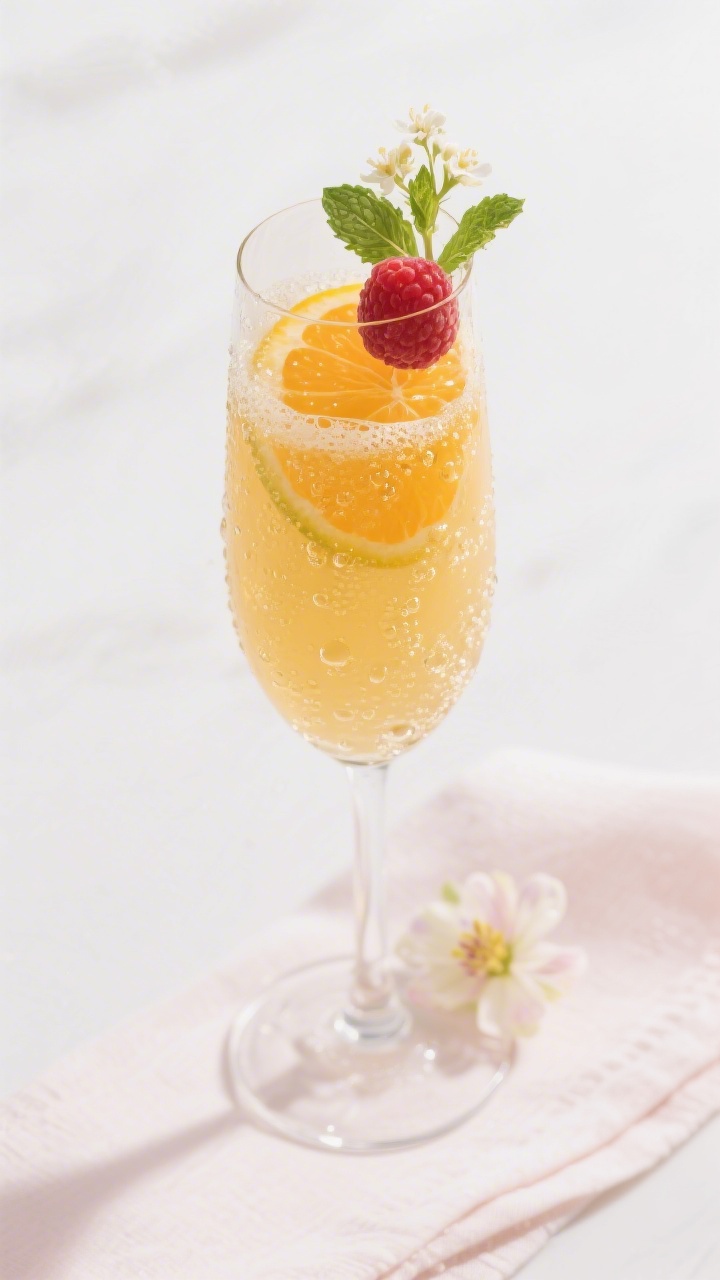
- Beautiful presentation: Simple garnishes—like a citrus wheel or fresh berry—make each glass look festive with almost no effort.
Shopping List
- Dry sparkling wine (Brut Champagne, Cava, or Prosecco)
- Fresh orange juice (fresh-squeezed is best)
- Orange blossom water or elderflower liqueur (optional, for floral notes)
- Grand Marnier or triple sec (optional, for a touch of depth)
- Fresh citrus for garnish (orange, blood orange, or grapefruit wheels)
- Fresh berries (raspberries or strawberries), optional
- Ice for chilling the juice (not for the glass)
- Mint or edible flowers for garnish, optional
Instructions
- Chill everything well. Place the bottle of sparkling wine and orange juice in the fridge for at least 3 hours. Cold ingredients keep the bubbles lively and the drink crisp.
- Prep your juice. If using fresh oranges, juice them and strain out excess pulp.
You want a smooth pour that won’t foam too much.
- Set up your glasses. Use flute glasses if you have them, or any narrow glass to help the bubbles last longer. No ice in the glass—ice waters down the drink.
- Add a flavor accent (optional). For each glass, add 1–2 drops of orange blossom water or 1/2 ounce elderflower liqueur. You can also add 1/4 ounce Grand Marnier for a richer orange note.
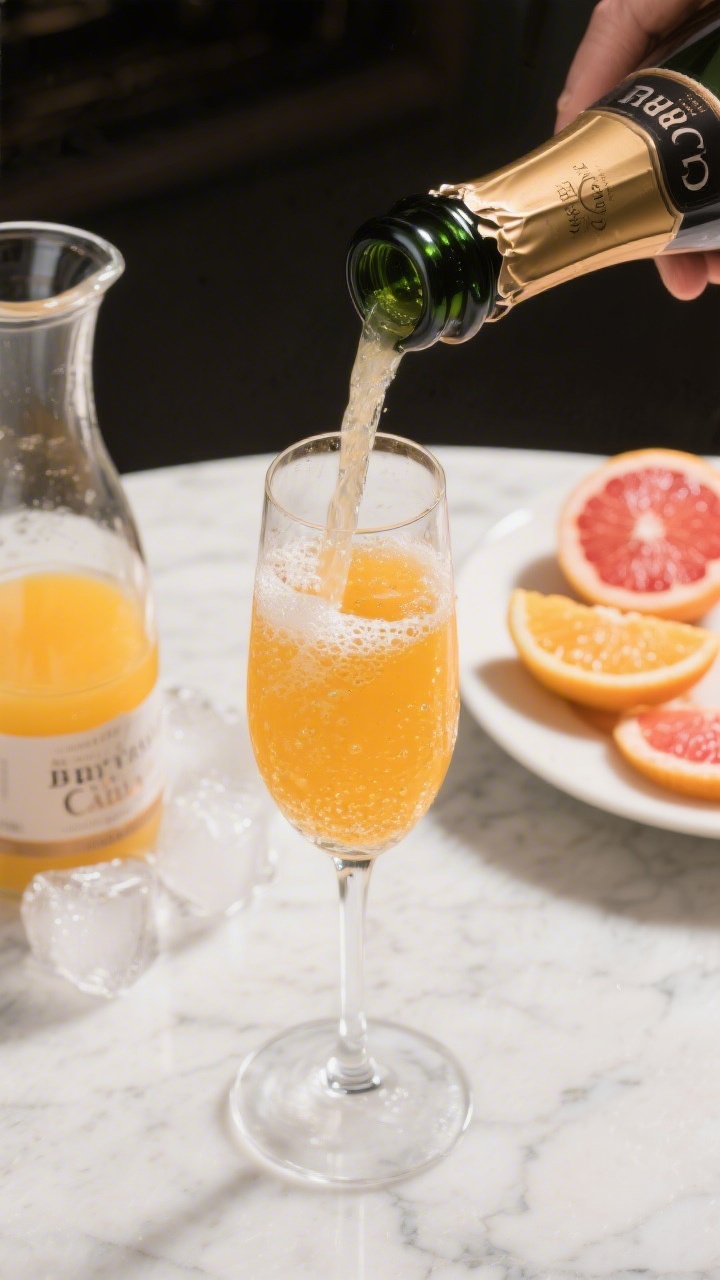
- Pour the sparkling wine first. Fill each glass about halfway with dry sparkling wine.
Pour slowly down the side to preserve bubbles.
- Top with orange juice. Add an equal amount of orange juice to the wine. The classic ratio is 1:1, but you can go 2:1 wine to juice if you prefer it drier, or 1:2 for a softer, brunch-friendly sip.
- Garnish. Add a thin citrus wheel to the rim or float a raspberry for color. A small mint sprig or edible flower makes it feel festive.
- Serve immediately. Mimosas are best when freshly mixed—crisp, cold, and sparkling.
- For a pitcher. Combine 1 bottle (750 ml) chilled sparkling wine with 3–4 cups chilled orange juice in a cold pitcher just before serving.
Add liqueur to taste, then pour gently into glasses.
How to Store
- Short term: Keep opened sparkling wine sealed with a champagne stopper in the fridge for up to 24 hours. It may lose some fizz, but it’s still great for mimosas.
- Juice: Fresh-squeezed orange juice stores well in the fridge for up to 3 days in a sealed container. Shake before using.
- Pre-mixing: Avoid mixing the wine and juice ahead of time.
Combine only when ready to serve to keep the bubbles bright.
- Freezer tip: You can freeze fresh orange juice in ice cube trays. Thaw in the fridge the night before and chill thoroughly.
Why This is Good for You
- Vitamin C boost: Fresh orange juice brings antioxidants and vitamin C, which support immune health and energy during a busy holiday morning.
- Lighter than heavy cocktails: The lower alcohol content per serving makes it a gentle option for daytime sipping.
- Customizable sweetness: Using a dry sparkling wine and fresh juice helps you control sugar levels better than pre-made mixes.
- Hydration-friendly: You can easily make a “light” mimosa with more juice or add a splash of sparkling water to keep things refreshing.
Common Mistakes to Avoid
- Using warm ingredients: Warm wine goes flat fast. Keep both the wine and juice very cold.
- Overly sweet wine: Choose Brut or Extra Brut.
Sweet styles make the drink cloying, especially with fresh juice.
- Pouring juice first: When you add wine on top of juice, it can foam and overflow. Wine first, then juice.
- Too much pulp: Extra pulp dulls the texture and fizz. Strain for a clean, sparkling sip.
- Heavy garnishes inside the glass: Large fruit pieces can splash and flatten bubbles.
Keep garnishes light and minimal.
Variations You Can Try
- Sunrise Mimosa: Add a teaspoon of grenadine after mixing. It sinks to the bottom for a pretty layered look.
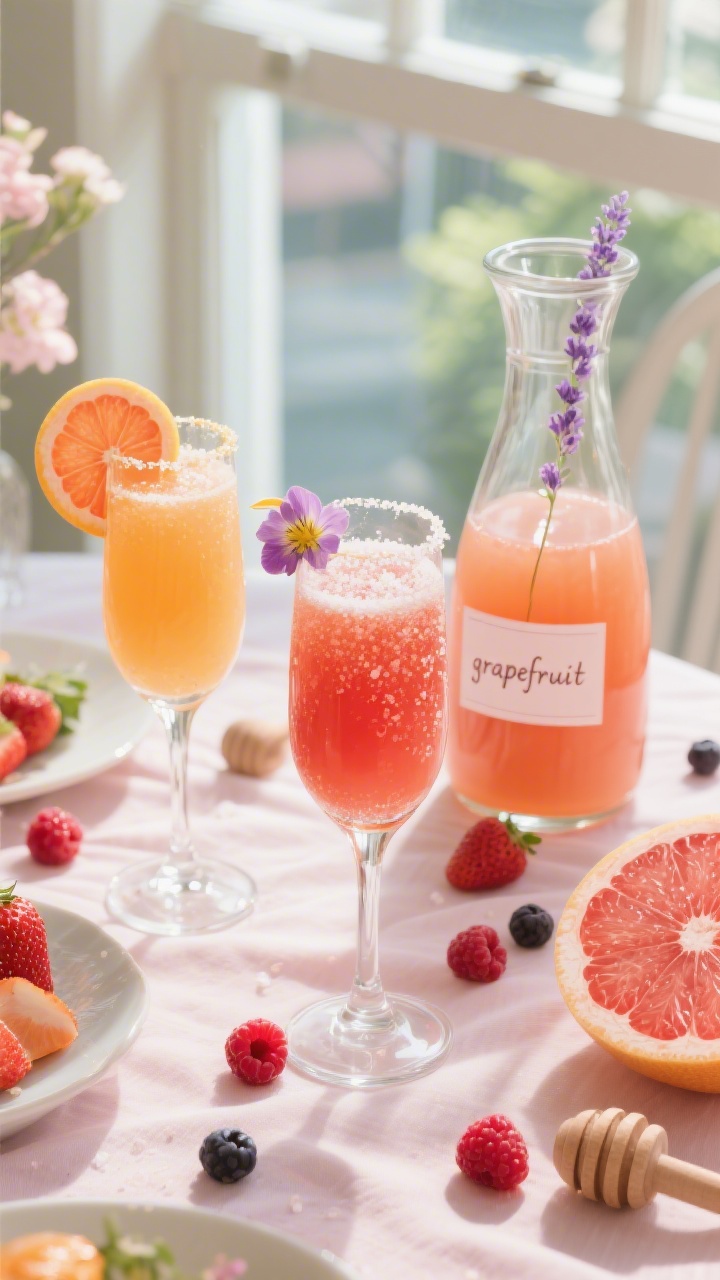
- Grapefruit Mimosa: Use ruby red grapefruit juice with a small pinch of salt to round the bitterness. Garnish with a grapefruit twist.
- Pineapple Mint Mimosa: Swap in pineapple juice and add a tiny squeeze of lime.
Garnish with fresh mint.
- Blood Orange Mimosa: Deep color, slightly berry-like flavor, and a stunning presentation.
- Lavender Honey Mimosa: Stir 1 teaspoon lavender honey into 3 ounces of juice until dissolved, then top with sparkling wine.
- Non-Alcoholic Mimosa: Use non-alcoholic sparkling wine or plain sparkling water with fresh juice. Still festive and delicious.
FAQ
What’s the best sparkling wine for mimosas?
A dry, affordable bottle works best. Look for Brut Cava, Prosecco, or a non-vintage Brut Champagne if you’re celebrating big.
Save complex, expensive bottles for sipping on their own.
Do I have to use fresh orange juice?
Freshly squeezed juice gives the brightest flavor and best texture. If you use bottled, choose one that’s 100% juice and not from concentrate, with low or no added sugar.
What’s the ideal mimosa ratio?
Start with 1:1 sparkling wine to juice. If you like it drier, go 2:1.
If you want it softer or brunch-friendly for a longer gathering, 1:2 works well.
Can I make a big batch for a crowd?
Yes. Chill everything thoroughly, then gently combine in a pitcher right before serving. Keep extra bottles on ice and top off as needed to maintain fizz.
How can I make it look extra festive for Easter?
Use blood orange slices, edible flowers, or a small mint sprig.
You can also rim the glass lightly with superfine sugar mixed with a little citrus zest for a sparkly touch.
How do I keep mimosas from going flat?
Use very cold ingredients, pour gently, and serve right away. If you’re pacing brunch, mix individual glasses instead of a large pitcher.
What can I use instead of elderflower liqueur?
Orange blossom water is a lovely non-alcoholic option—use just a drop or two. You can also skip it entirely and keep the classic flavor profile.
Can I make a low-sugar version?
Yes.
Choose Extra Brut sparkling wine and use fresh juice. You can also cut the juice with sparkling water for a lighter sip.
In Conclusion
Easter Brunch Mimosas are simple, cheerful, and endlessly customizable. With chilled ingredients, fresh juice, and a few easy garnishes, you’ll pour a glass that feels special without any fuss.
Keep the ratio to your taste, add a subtle floral note if you like, and serve immediately for that perfect sparkle. It’s the kind of recipe that lets you relax, toast the day, and enjoy the moment with the people around your table. Cheers to a bright, bubbly Easter.

Easter Brunch Mimosas – Bright, Bubbly, and Easy
Ingredients
- Dry sparkling wine (Brut Champagne, Cava, or Prosecco)
- Fresh orange juice (fresh-squeezed is best)
- Orange blossom water or elderflower liqueur (optional, for floral notes)
- Grand Marnier or triple sec (optional, for a touch of depth)
- Fresh citrus for garnish (orange, blood orange, or grapefruit wheels)
- Fresh berries (raspberries or strawberries), optional
- Ice for chilling the juice (not for the glass)
- Mint or edible flowers for garnish, optional
Instructions
- Chill everything well. Place the bottle of sparkling wine and orange juice in the fridge for at least 3 hours. Cold ingredients keep the bubbles lively and the drink crisp.
- Prep your juice. If using fresh oranges, juice them and strain out excess pulp. You want a smooth pour that won’t foam too much.
- Set up your glasses. Use flute glasses if you have them, or any narrow glass to help the bubbles last longer. No ice in the glass—ice waters down the drink.
- Add a flavor accent (optional). For each glass, add 1–2 drops of orange blossom water or 1/2 ounce elderflower liqueur. You can also add 1/4 ounce Grand Marnier for a richer orange note.
- Pour the sparkling wine first. Fill each glass about halfway with dry sparkling wine. Pour slowly down the side to preserve bubbles.
- Top with orange juice. Add an equal amount of orange juice to the wine. The classic ratio is 1:1, but you can go 2:1 wine to juice if you prefer it drier, or 1:2 for a softer, brunch-friendly sip.
- Garnish. Add a thin citrus wheel to the rim or float a raspberry for color. A small mint sprig or edible flower makes it feel festive.
- Serve immediately. Mimosas are best when freshly mixed—crisp, cold, and sparkling.
- For a pitcher. Combine 1 bottle (750 ml) chilled sparkling wine with 3–4 cups chilled orange juice in a cold pitcher just before serving. Add liqueur to taste, then pour gently into glasses.