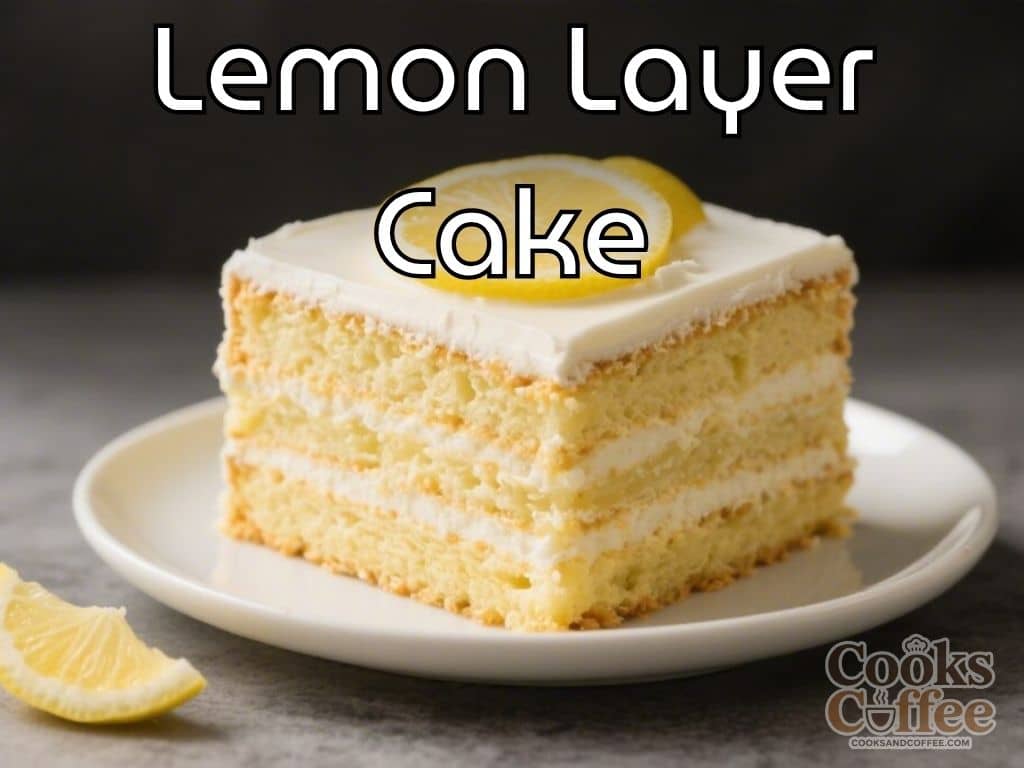
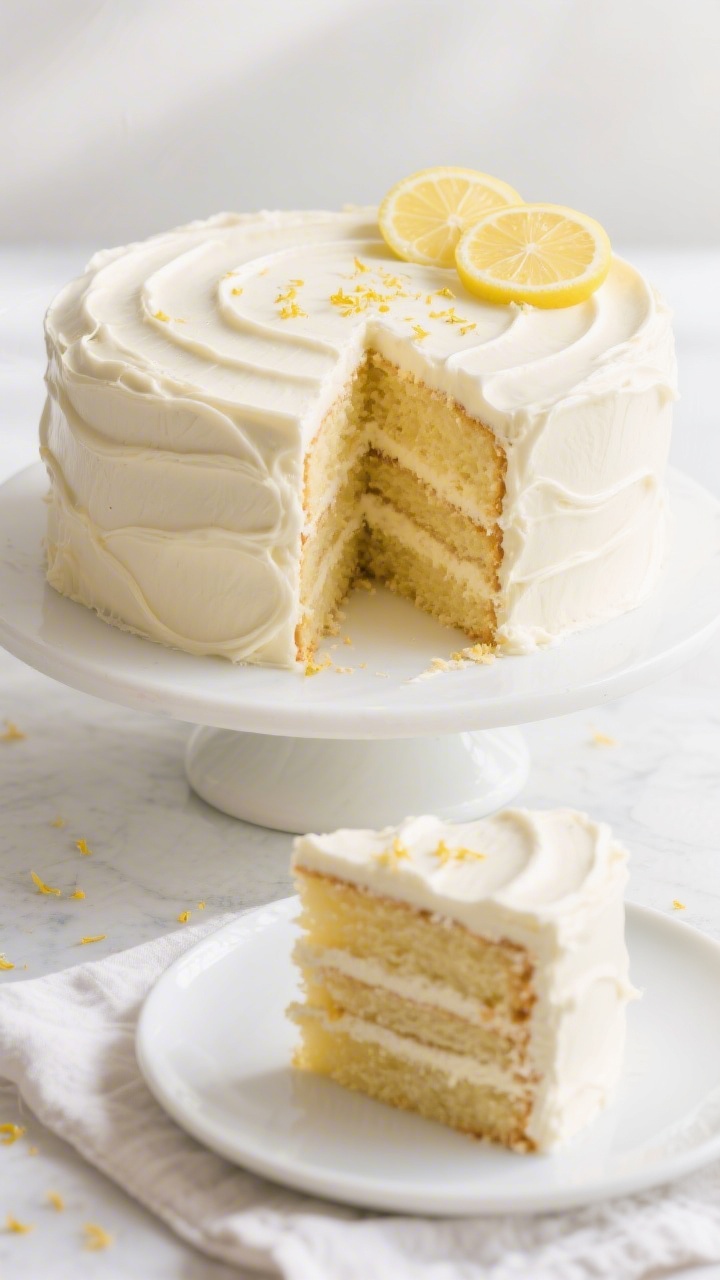
A good lemon layer cake should taste like sunshine without being sharp or fussy. This one is soft, tender, and full of real lemon flavor from fresh zest and juice. The layers bake up light and moist, and the frosting is smooth with a clean citrus finish.
It looks polished enough for a celebration, but it’s simple enough for a weekend bake. If you love desserts that feel fresh and not too sweet, this is your cake.
What Makes This Special
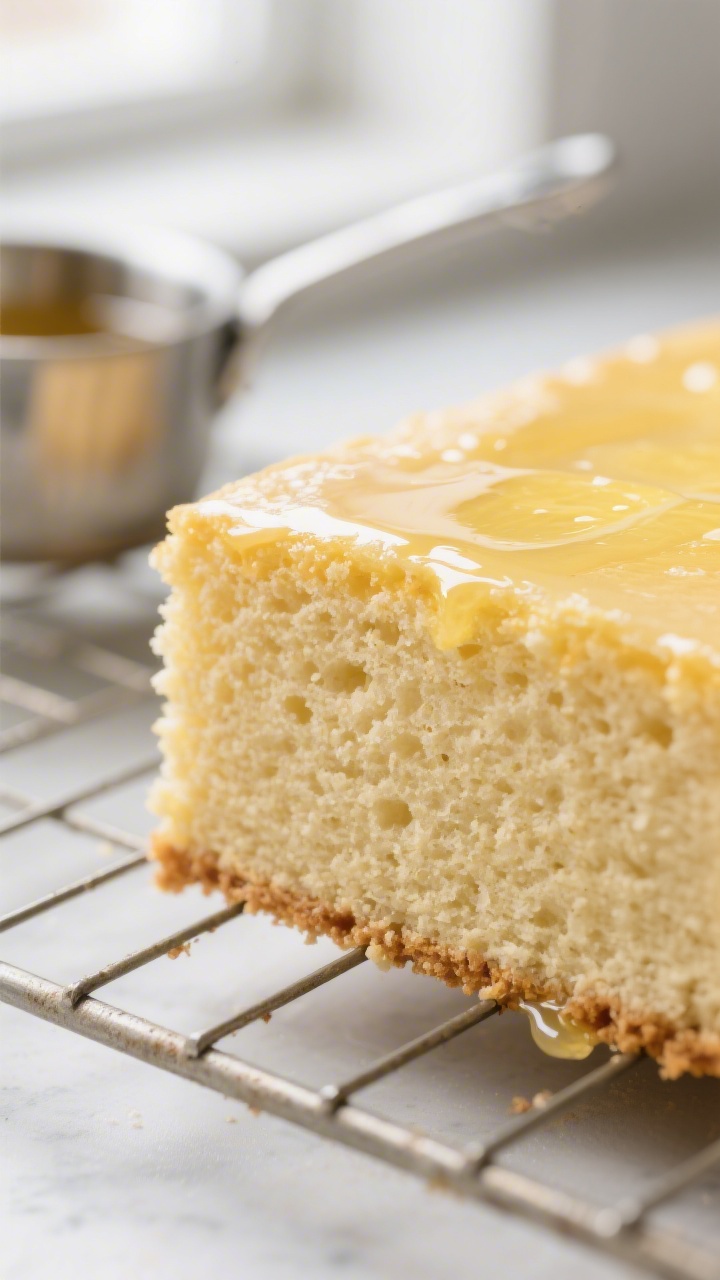
This lemon layer cake leans on three sources of citrus: zest in the batter, lemon syrup brushed on the layers, and a tangy lemon-cream cheese frosting. Each bite is bright without being sour.
- Soft but sturdy layers: A mix of butter and oil keeps the cake rich and tender but easy to stack and frost.
- Balanced sweetness: Fresh lemon juice and zest cut through the sugar, so the flavor stays clean.
- Make-ahead friendly: Layers can be baked and frozen, then assembled when you’re ready.
- Versatile frosting: Silky cream cheese lemon frosting spreads smoothly and holds well.
Ingredients
For the Cake Layers (three 8-inch rounds or two 9-inch rounds)
- 2 3/4 cups (345 g) all-purpose flour
- 2 1/2 tsp baking powder
- 1/2 tsp baking soda
- 1/2 tsp fine salt
- 1 3/4 cups (350 g) granulated sugar
- 2 tbsp finely grated lemon zest (about 2–3 lemons)
- 3/4 cup (170 g) unsalted butter, room temperature
- 1/4 cup (60 ml) neutral oil (canola or grapeseed)
- 4 large eggs, room temperature
- 1 tsp vanilla extract
- 3/4 cup (180 ml) whole milk, room temperature
- 1/2 cup (120 ml) fresh lemon juice
- 1/2 cup (120 ml) sour cream or plain Greek yogurt, room temperature
For the Lemon Syrup
- 1/4 cup (60 ml) fresh lemon juice
- 1/4 cup (50 g) granulated sugar
For the Lemon Cream Cheese Frosting
- 12 oz (340 g) cream cheese, cold from the fridge
- 3/4 cup (170 g) unsalted butter, cool room temperature
- 4–5 cups (480–600 g) powdered sugar, sifted
- 2–3 tbsp fresh lemon juice, to taste
- 1 tsp finely grated lemon zest
- 1 tsp vanilla extract
- Pinch of salt
How to Make It
- Prep your pans and oven: Heat oven to 350°F (175°C).
Grease and line cake pans with parchment. Lightly flour the sides. This helps the layers release cleanly.
- Rub zest into sugar: In a large bowl, combine sugar and lemon zest.
Use your fingers to rub the zest into the sugar until fragrant and pale yellow. This releases the oils and boosts flavor.
- Cream the fats: Add butter to the lemon sugar and beat until light and fluffy, 3–4 minutes. Mix in the oil until fully combined.
- Add eggs and vanilla: Beat in the eggs one at a time, scraping the bowl after each addition.
Stir in vanilla. The batter should look smooth and slightly thick.
- Mix dry ingredients: In a separate bowl, whisk flour, baking powder, baking soda, and salt. This distributes the leavening evenly.
- Combine wet ingredients: In a measuring cup, whisk milk, lemon juice, and sour cream.
It may look slightly curdled; that’s normal.
- Bring it together: Add the dry ingredients to the butter mixture in three additions, alternating with the milk mixture. Start and end with dry. Mix on low just until combined to avoid overworking the gluten.
- Portion and bake: Divide batter evenly among pans.
Smooth the tops. Bake 22–28 minutes for 8-inch pans (a bit longer for 9-inch), until the centers spring back and a toothpick comes out clean.
- Make the lemon syrup: While cakes bake, simmer lemon juice and sugar in a small pot for 1–2 minutes, just until the sugar dissolves. Cool slightly.
- Cool and brush: Let cakes cool in pans 10 minutes, then turn onto racks.
Peel off parchment. While still warm, brush tops with lemon syrup. This adds moisture and a gentle tang.
- Chill the layers: Cool completely.
For easiest assembly, wrap and chill layers 30–60 minutes. Cold layers are less crumbly.
- Make the frosting: Beat the butter until creamy. Add cold cream cheese in chunks and beat until smooth.
Mix in vanilla, lemon zest, and a pinch of salt. Gradually add powdered sugar, then lemon juice to taste, beating until fluffy. Adjust with more sugar for stability or more juice for tang.
- Assemble: Place one cake layer on a board.
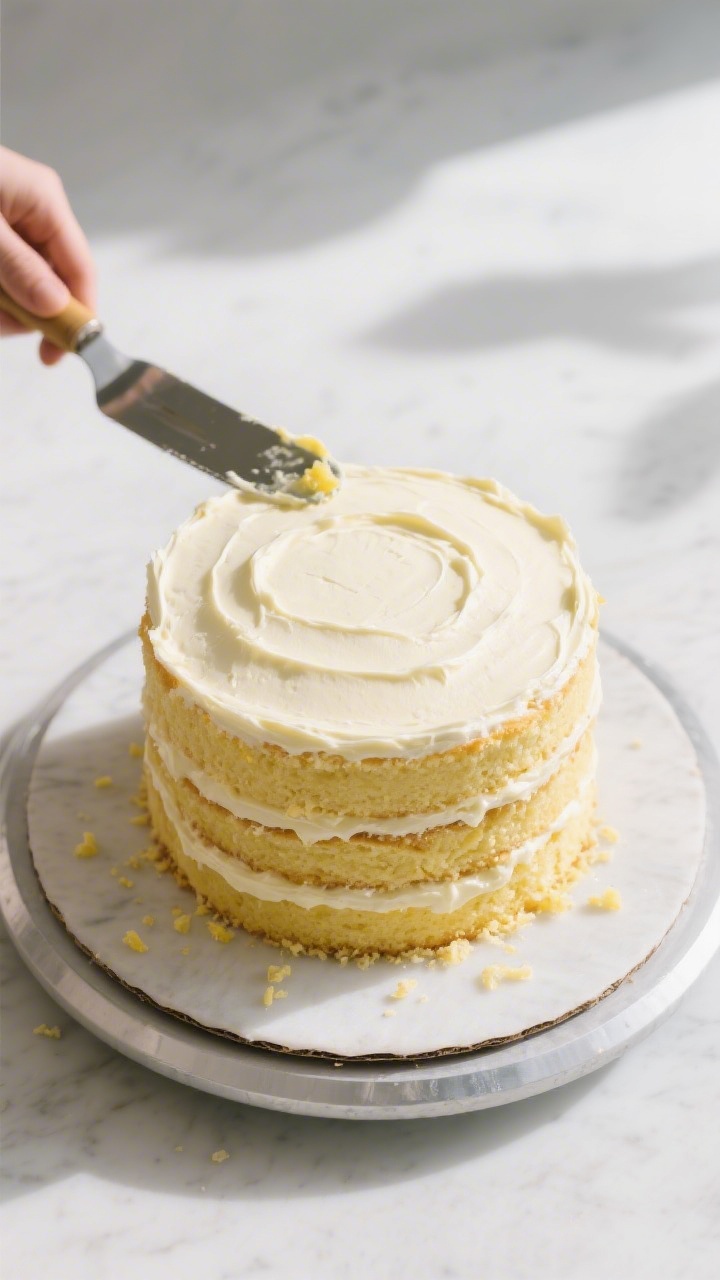
Spread a generous, even layer of frosting. Top with the second layer, add more frosting, then the final layer upside down for a flat top. Apply a thin crumb coat and chill 20 minutes.
- Finish and decorate: Frost the top and sides smoothly.
Add simple swirls, thin lemon slices, or a sprinkle of zest. Keep decorations light so the cake remains the star.
Storage Instructions
- Room temperature: If your kitchen is cool, the frosted cake can sit out for up to 4 hours before serving.
- Refrigerator: Cover and chill for up to 4 days. Bring slices to room temperature for best texture and flavor.
- Freezer: Wrap unfrosted layers tightly and freeze up to 2 months.
Thaw in the fridge, then frost. Leftover frosted slices can be frozen, well wrapped, for 1 month.
- Make-ahead: Bake layers the day before, chill, and assemble when ready. The frosting can be made 2 days ahead and re-whipped briefly before using.
Health Benefits
No cake is a health food, but small choices can make it feel a little lighter.
Lemon brings vitamin C and a fresh flavor that helps you feel satisfied with a modest slice. Using yogurt or sour cream adds protein and moisture, so you don’t need as much frosting to enjoy it.
- Real citrus: Fresh zest and juice provide natural flavor, so there’s no need for heavy extracts.
- Portion-friendly: The bright taste shines in thin slices, helping with portion control.
- Customizable: You can reduce sugar slightly (by about 10%) without hurting texture if you prefer less sweetness.
Common Mistakes to Avoid
- Overmixing the batter: Mix only until the flour disappears, or the cake may turn dense and tough.
- Skipping the room-temperature ingredients: Cold eggs and dairy don’t blend smoothly and can cause a curdled batter.
- Not measuring flour correctly: Spoon and level the flour, or weigh it. Too much flour leads to dry cake.
- Overbaking: Start checking early.
A few extra minutes can dry out a lemon cake quickly.
- Overloading with lemon juice: Too much acid can weaken structure. Keep the amounts listed, and rely on zest for big flavor.
Variations You Can Try
- Lemon curd filling: Add a thin layer of store-bought or homemade lemon curd between layers for extra zing. Keep the perimeter piped with frosting to prevent curd from leaking.
- Berry twist: Fold 1 cup fresh blueberries tossed in 1 tbsp flour into the batter, or add a layer of macerated raspberries in the filling.
- Lemon poppy seed: Stir 2 tbsp poppy seeds into the batter for a delicate crunch and bakery-style look.
- Gluten-free: Use a 1:1 gluten-free baking flour blend with xanthan gum.
Let the batter rest 10 minutes before baking for better hydration.
- Swiss meringue frosting: For a lighter finish, swap the cream cheese frosting for a lemon Swiss meringue buttercream and flavor with zest and juice.
FAQ
Can I make this as a sheet cake?
Yes. Bake in a 9×13-inch pan for 30–38 minutes, until a toothpick comes out clean. Frost the top once cool.
It’s great for parties and easier to transport.
How do I get stronger lemon flavor?
Increase zest by 1 tablespoon and keep the juice the same. You can also brush on a bit more lemon syrup or add a teaspoon of lemon paste. Avoid adding lots of extra juice, which can affect texture.
What if I don’t have sour cream?
Use plain Greek yogurt with similar fat content.
If using regular yogurt, drain it briefly with a paper towel to thicken, so the batter doesn’t get too loose.
My frosting is too soft. How do I fix it?
Chill it for 10–15 minutes, then re-whip. Add more powdered sugar a little at a time for stability.
If your kitchen is warm, keep the cake chilled until serving.
Can I use bottled lemon juice?
Fresh lemon juice tastes brighter and cleaner. Bottled juice can be dull or bitter. If you must use it, pair it with plenty of fresh zest to lift the flavor.
In Conclusion
This lemon layer cake brings together tender layers, a whisper of syrup, and a tangy frosting for a dessert that always feels fresh.
It’s reliable, adaptable, and beautiful on any table. With a few simple steps and the right balance of zest and juice, you’ll have a cake that tastes as good as it looks. Slice it thin, enjoy the brightness, and don’t be surprised when the plate comes back empty.

Lemon Layer Cake – Bright, Soft, and Zesty
Ingredients
- 2 3/4 cups (345 g) all-purpose flour
- 2 1/2 tsp baking powder
- 1/2 tsp baking soda
- 1/2 tsp fine salt
- 1 3/4 cups (350 g) granulated sugar
- 2 tbsp finely grated lemon zest (about 2–3 lemons)
- 3/4 cup (170 g) unsalted butter, room temperature
- 1/4 cup (60 ml) neutral oil (canola or grapeseed)
- 4 large eggs, room temperature
- 1 tsp vanilla extract
- 3/4 cup (180 ml) whole milk, room temperature
- 1/2 cup (120 ml) fresh lemon juice
- 1/2 cup (120 ml) sour cream or plain Greek yogurt, room temperature
- 1/4 cup (60 ml) fresh lemon juice
- 1/4 cup (50 g) granulated sugar
- 12 oz (340 g) cream cheese, cold from the fridge
- 3/4 cup (170 g) unsalted butter, cool room temperature
- 4–5 cups (480–600 g) powdered sugar, sifted
- 2–3 tbsp fresh lemon juice, to taste
- 1 tsp finely grated lemon zest
- 1 tsp vanilla extract
- Pinch of salt
Instructions
- Prep your pans and oven: Heat oven to 350°F (175°C). Grease and line cake pans with parchment. Lightly flour the sides. This helps the layers release cleanly.
- Rub zest into sugar: In a large bowl, combine sugar and lemon zest. Use your fingers to rub the zest into the sugar until fragrant and pale yellow. This releases the oils and boosts flavor.
- Cream the fats: Add butter to the lemon sugar and beat until light and fluffy, 3–4 minutes. Mix in the oil until fully combined.
- Add eggs and vanilla: Beat in the eggs one at a time, scraping the bowl after each addition. Stir in vanilla. The batter should look smooth and slightly thick.
- Mix dry ingredients: In a separate bowl, whisk flour, baking powder, baking soda, and salt. This distributes the leavening evenly.
- Combine wet ingredients: In a measuring cup, whisk milk, lemon juice, and sour cream. It may look slightly curdled; that’s normal.
- Bring it together: Add the dry ingredients to the butter mixture in three additions, alternating with the milk mixture. Start and end with dry. Mix on low just until combined to avoid overworking the gluten.
- Portion and bake: Divide batter evenly among pans. Smooth the tops. Bake 22–28 minutes for 8-inch pans (a bit longer for 9-inch), until the centers spring back and a toothpick comes out clean.
- Make the lemon syrup: While cakes bake, simmer lemon juice and sugar in a small pot for 1–2 minutes, just until the sugar dissolves. Cool slightly.
- Cool and brush: Let cakes cool in pans 10 minutes, then turn onto racks. Peel off parchment. While still warm, brush tops with lemon syrup. This adds moisture and a gentle tang.
- Chill the layers: Cool completely. For easiest assembly, wrap and chill layers 30–60 minutes. Cold layers are less crumbly.
- Make the frosting: Beat the butter until creamy. Add cold cream cheese in chunks and beat until smooth. Mix in vanilla, lemon zest, and a pinch of salt. Gradually add powdered sugar, then lemon juice to taste, beating until fluffy. Adjust with more sugar for stability or more juice for tang.
- Assemble: Place one cake layer on a board. Spread a generous, even layer of frosting. Top with the second layer, add more frosting, then the final layer upside down for a flat top. Apply a thin crumb coat and chill 20 minutes.
- Finish and decorate: Frost the top and sides smoothly. Add simple swirls, thin lemon slices, or a sprinkle of zest. Keep decorations light so the cake remains the star.