

These Sourdough Texas Roadhouse Rolls bring the best of both worlds: the soft, pillowy texture you love from the steakhouse and the gentle tang of sourdough. They’re rich, slightly sweet, and perfect with honey butter. If you’ve got an active starter, you’re halfway there.
The dough is forgiving, the rise is reliable, and the results are bakery-level good. Make them for a weeknight dinner or your next big gathering—they always disappear fast.
What Makes This Recipe So Good
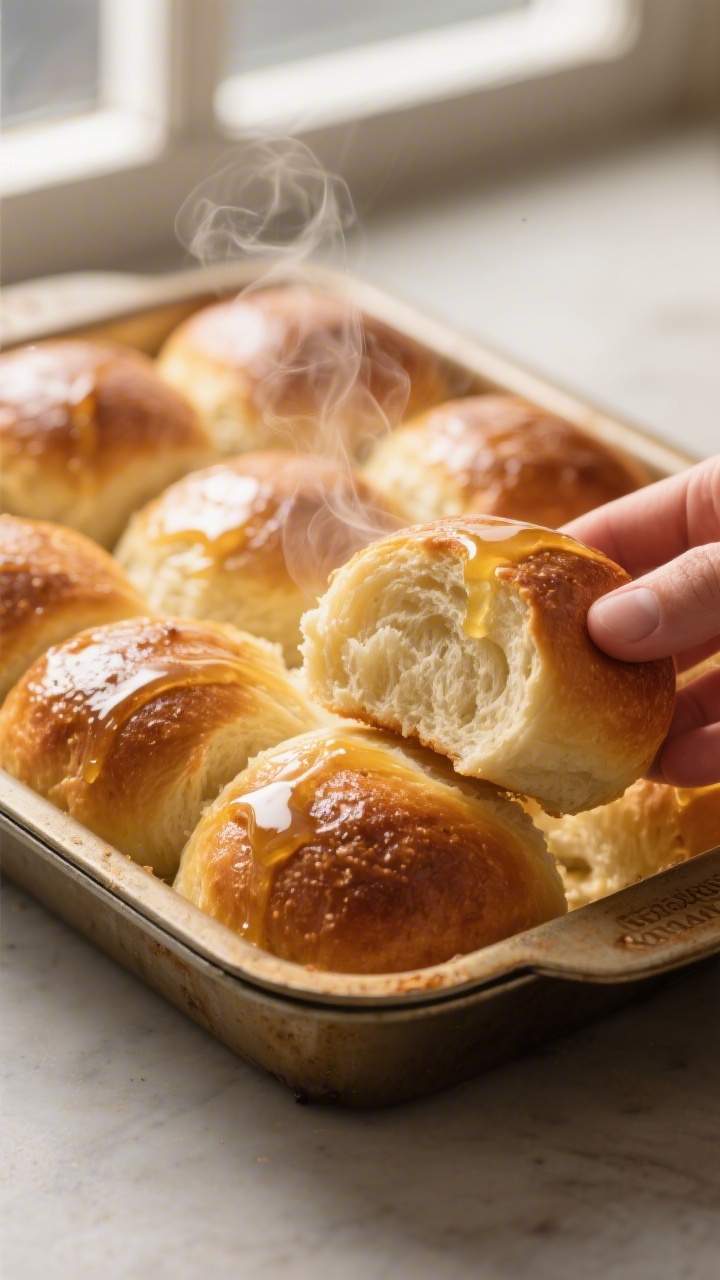
- Flavor with depth: Sourdough adds a subtle tang that balances the sweetness and butter beautifully.
- Soft and fluffy: Milk, butter, and a touch of sugar keep the rolls extra tender and plush.
- Faster than pure sourdough: A little instant yeast partners with your starter for consistent, timely rises.
- Perfect for honey butter: These rolls are made for spreading, dipping, and sopping up sauces.
- Beginner-friendly: Simple steps, clear timing, and ingredients you probably already have.
What You’ll Need
- Active sourdough starter: 100% hydration, bubbly and fed within 4–8 hours (3/4 cup or 170 g)
- Whole milk: Warmed to about 100–105°F (1 cup or 240 ml)
- Instant yeast: For lift and timing (1 1/2 teaspoons)
- Granulated sugar: Classic sweetness for Roadhouse-style rolls (1/4 cup or 50 g)
- All-purpose flour: Tender crumb with good structure (about 3 1/2–4 cups or 420–480 g)
- Salt: Essential for flavor (1 1/2 teaspoons)
- Unsalted butter: Melted and cooled (6 tablespoons total: 4 tbsp in dough, 2 tbsp for brushing)
- Egg: Adds richness and color (1 large)
- Honey (optional): For serving and honey butter (2–3 tablespoons)
Step-by-Step Instructions
- Warm the milk: Gently heat the milk until warm to the touch, about 100–105°F. Too hot and it will weaken the yeast.
Pour into a large mixing bowl.
- Bloom yeast and starter: Whisk in the sugar, instant yeast, and active sourdough starter. Let it sit for 5 minutes until slightly foamy.
- Add egg and butter: Stir in the egg and 4 tablespoons melted butter until combined. The mixture will look creamy and loose.
- Mix in dry ingredients: Add 3 1/2 cups of flour and the salt.
Stir with a wooden spoon or dough hook until a shaggy dough forms. If it’s very sticky, add flour 1 tablespoon at a time.
- Knead: Knead by mixer on medium-low for 6–8 minutes, or by hand for 8–10 minutes. You’re looking for a soft, slightly tacky dough that clears the bowl and stretches without tearing.
- First rise: Shape into a ball and place in a lightly oiled bowl.
Cover and let rise in a warm spot until doubled, about 60–90 minutes. With cooler kitchens, it may take up to 2 hours.
- Prep the pan: Grease a 9×13-inch baking pan or line it with parchment. This helps with browning and easy release.
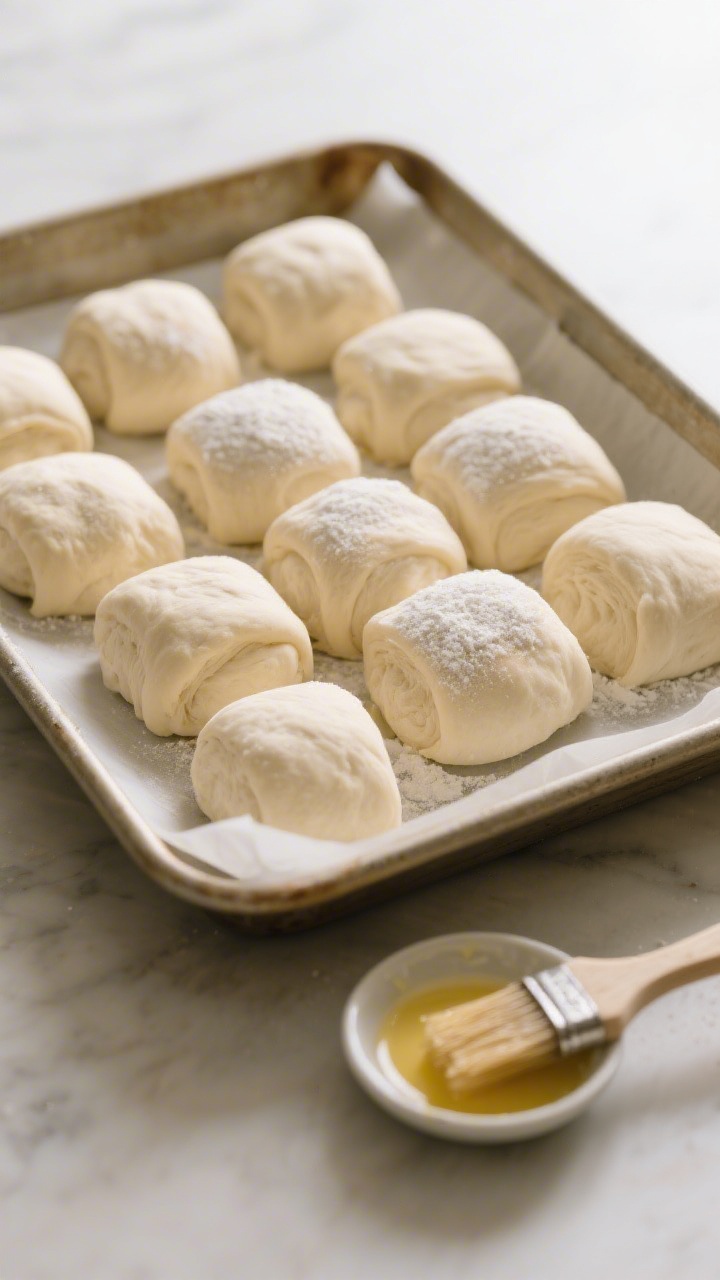
- Shape the rolls: Turn out the dough and gently press it into a rectangle about 12×10 inches.
Using a bench scraper, cut into 12 even pieces. Tuck edges under to form smooth balls and place in the pan, 3 across by 4 down.
- Second rise: Cover the pan and let the rolls puff up until nearly doubled and touching, about 45–60 minutes. They should look airy and jiggly when the pan is gently shaken.
- Preheat and brush: Heat the oven to 350°F (175°C).
Brush the tops with a little melted butter for color and shine.
- Bake: Bake for 18–22 minutes, until golden on top and 195–200°F in the center. If browning too fast, tent loosely with foil.
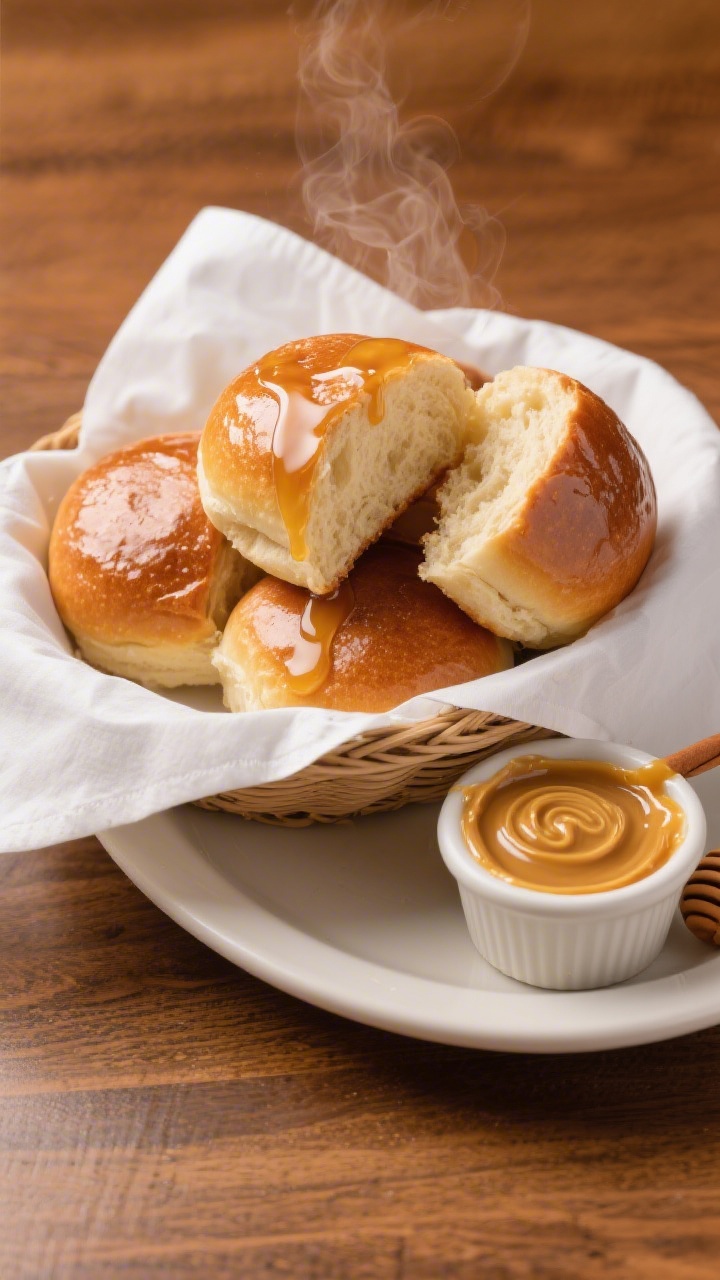
- Finish with butter (and honey): Brush with the remaining melted butter. For that signature touch, mix 2 tablespoons softened butter with 1–2 tablespoons honey and a pinch of cinnamon to serve.
- Cool slightly: Let the rolls rest 10 minutes before pulling apart.
They’ll be tender and steamy inside.
How to Store
- Room temperature: Store cooled rolls in an airtight bag or container for up to 2 days.
- Refrigerator: Not recommended, as it dries them out. If needed, wrap well and warm before serving.
- Freezer: Freeze baked rolls in a zip-top bag for up to 2 months. Thaw at room temp, then warm at 300°F for 8–10 minutes.
- Make-ahead: After shaping, cover and refrigerate overnight.
Let sit at room temperature 45–60 minutes before baking.
Why This Is Good for You
- Sourdough benefits: The natural fermentation can make gluten easier to digest for some people and may help with nutrient absorption.
- Less sugar than typical rolls: You get sweetness without going overboard.
- Real ingredients: Flour, milk, butter, and a starter—simple foods you recognize.
- Portion-friendly: Individual rolls make it easy to serve just what you need.
What Not to Do
- Don’t use cold starter: A sluggish starter will slow everything down and affect rise.
- Don’t over-flour: A stiff dough bakes up dense. Keep it soft and slightly tacky.
- Don’t rush the rise: If the dough hasn’t doubled, give it more time. Warmth and patience matter.
- Don’t overbake: Dry rolls lose that Roadhouse magic.
Pull them when golden and just cooked through.
- Don’t skip the butter finish: That final brush adds flavor, shine, and softness.
Alternatives
- Flour swaps: Use half bread flour for extra chew, or add 1/2 cup whole wheat flour for nuttiness. Add a splash more milk if needed.
- Dairy-free: Sub dairy-free milk and vegan butter. Choose a richer plant milk (like oat) for softness.
- No-yeast version: Skip instant yeast and extend both rises significantly.
Expect 3–4 hours for the first rise and 2–3 for the second, depending on starter strength.
- Flavor twists: Add 1 teaspoon cinnamon to the dough for a subtle warmth, or brush baked rolls with garlic butter and parsley for savory dinners.
- Shaping: For classic squares, roll the dough to 1/2–3/4 inch thick and cut into rectangles, then proof and bake.
FAQ
Can I use sourdough discard?
Yes, but the flavor and rise will be milder. If using unfed discard, keep the instant yeast as written and consider adding an extra 1/4 teaspoon to support the rise.
How do I know my starter is ready?
It should look bubbly, rise after feeding, and pass the float test in water. Most active starters are ready 4–8 hours after feeding at room temperature.
My dough is very sticky.
Should I add more flour?
Add flour gradually, a tablespoon at a time, until the dough is soft and just slightly tacky. It should pull away from the bowl but still feel plush.
What if I don’t have instant yeast?
Use active dry yeast. Bloom it in the warm milk and sugar for 5–10 minutes until foamy, then proceed.
Rise times may be a touch longer.
Can I make these the day before?
Yes. Shape the rolls, cover tightly, and refrigerate overnight. Let them sit at room temperature 45–60 minutes before baking so they warm and puff.
How do I reheat without drying them out?
Wrap rolls in foil and warm at 300°F for 8–10 minutes.
For extra softness, brush with a little melted butter before serving.
Do I need a stand mixer?
No. Hand kneading works well. Use a bench scraper to manage stickiness and let the dough rest 5 minutes if it resists—then continue kneading.
Why are my rolls dense?
Common causes are under-proofing, too much flour, or cold ingredients.
Make sure the dough doubles on the first rise and feels airy on the second.
In Conclusion
These Sourdough Texas Roadhouse Rolls are soft, buttery, and lightly tangy—everything you want in a crowd-pleasing roll. With a little starter and a simple method, you’ll get reliable, bakery-style results at home. Serve warm with honey butter and watch them vanish.
They’re the kind of roll that turns an ordinary meal into something special.

Sourdough Texas Roadhouse Rolls – Fluffy, Buttery, and Tangy
Ingredients
- Active sourdough starter: 100% hydration, bubbly and fed within 4–8 hours (3/4 cup or 170 g)
- Whole milk: Warmed to about 100–105°F (1 cup or 240 ml)
- Instant yeast: For lift and timing (1 1/2 teaspoons)
- Granulated sugar: Classic sweetness for Roadhouse-style rolls (1/4 cup or 50 g)
- All-purpose flour: Tender crumb with good structure (about 3 1/2–4 cups or 420–480 g)
- Salt: Essential for flavor (1 1/2 teaspoons)
- Unsalted butter: Melted and cooled (6 tablespoons total: 4 tbsp in dough, 2 tbsp for brushing)
- Egg: Adds richness and color (1 large)
- Honey (optional): For serving and honey butter (2–3 tablespoons)
Instructions
- Warm the milk: Gently heat the milk until warm to the touch, about 100–105°F. Too hot and it will weaken the yeast. Pour into a large mixing bowl.
- Bloom yeast and starter: Whisk in the sugar, instant yeast, and active sourdough starter. Let it sit for 5 minutes until slightly foamy.
- Add egg and butter: Stir in the egg and 4 tablespoons melted butter until combined. The mixture will look creamy and loose.
- Mix in dry ingredients: Add 3 1/2 cups of flour and the salt. Stir with a wooden spoon or dough hook until a shaggy dough forms. If it’s very sticky, add flour 1 tablespoon at a time.
- Knead: Knead by mixer on medium-low for 6–8 minutes, or by hand for 8–10 minutes. You’re looking for a soft, slightly tacky dough that clears the bowl and stretches without tearing.
- First rise: Shape into a ball and place in a lightly oiled bowl. Cover and let rise in a warm spot until doubled, about 60–90 minutes. With cooler kitchens, it may take up to 2 hours.
- Prep the pan: Grease a 9×13-inch baking pan or line it with parchment. This helps with browning and easy release.
- Shape the rolls: Turn out the dough and gently press it into a rectangle about 12×10 inches. Using a bench scraper, cut into 12 even pieces. Tuck edges under to form smooth balls and place in the pan, 3 across by 4 down.
- Second rise: Cover the pan and let the rolls puff up until nearly doubled and touching, about 45–60 minutes. They should look airy and jiggly when the pan is gently shaken.
- Preheat and brush: Heat the oven to 350°F (175°C). Brush the tops with a little melted butter for color and shine.
- Bake: Bake for 18–22 minutes, until golden on top and 195–200°F in the center. If browning too fast, tent loosely with foil.
- Finish with butter (and honey): Brush with the remaining melted butter. For that signature touch, mix 2 tablespoons softened butter with 1–2 tablespoons honey and a pinch of cinnamon to serve.
- Cool slightly: Let the rolls rest 10 minutes before pulling apart. They’ll be tender and steamy inside.